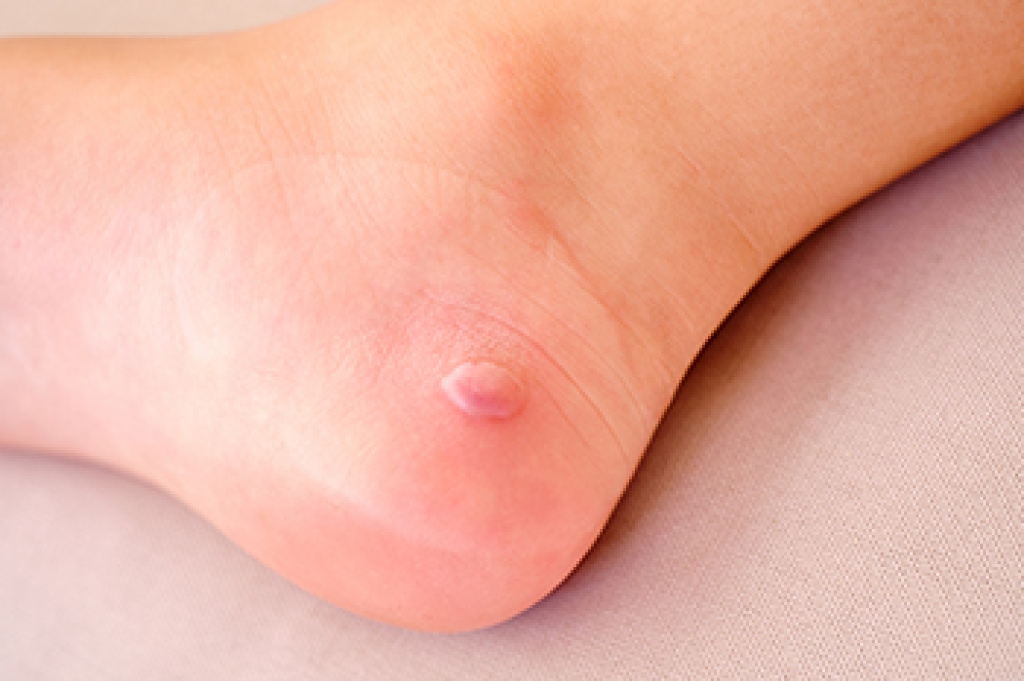
Diabetic Foot Blisters and What They Look Like

Diabetic foot blisters are fluid-filled areas that develop when skin is damaged by friction, pressure, or irritation. Diabetes can make these injuries more concerning because nerve damage may reduce sensation. A diabetic patient may not notice rubbing until the skin becomes damaged. A blister often looks like a raised bubble containing clear fluid. The surrounding skin may appear red or irritated. A small blister deserves attention because broken skin can become vulnerable to infection.

Symptoms may include a raised bubble, tenderness, or warmth. An open blister can cause drainage and leave raw skin underneath. Common risk factors include diabetic neuropathy, reduced circulation, and repeated pressure. Long periods of walking can increase friction. Previous diabetic foot wounds may also increase concern. Checking your feet every day can help you notice blisters before they become larger or more difficult to heal.


A podiatrist will examine the blister and check circulation, sensation, and possible pressure points. An intact blister may be protected with a suitable dressing while pressure is reduced. If the blister has opened, the podiatrist may carefully clean the area, remove unhealthy tissue when appropriate, and apply wound protection. Footwear may be adjusted to reduce friction. Follow-up visits can help confirm healing and identify the cause of repeated skin irritation.


Do not pop or cut a diabetic foot blister yourself. Damaged skin can create an opening for bacteria and increase infection risk. Keep the area clean and protected while arranging professional evaluation. Watch for worsening redness, warmth, or delayed healing. These changes require prompt medical attention. Good diabetic foot care includes daily inspection and properly fitted shoes. If you have diabetes and have developed a foot blister, it is suggested that you are under the care of a podiatrist who can help you to manage this serious condition. 

Blisters may appear as a single bubble or in a cluster. They can cause a lot of pain and may be filled with pus, blood, or watery serum. If your feet are hurting, contact one of our podiatrists of Arch Foot & Ankle. Our doctors can provide the care you need to keep you pain-free and on your feet.

Foot Blisters

Foot blisters are often the result of friction. This happens due to the constant rubbing from shoes, which can lead to pain.

What Are Foot Blisters?

A foot blister is a small fluid-filled pocket that forms on the upper-most layer of the skin. Blisters are filled with clear fluid and can lead to blood drainage or pus if the area becomes infected.

Symptoms

(Blister symptoms may vary depending on what is causing them)

  • Bubble of skin filled with fluid
  • Redness
  • Moderate to severe pain
  • Itching

Prevention & Treatment

In order to prevent blisters, you should be sure to wear comfortable shoes with socks that cushion your feet and absorb sweat. Breaking a blister open may increase your chances of developing an infection. However, if your blister breaks, you should wash the area with soap and water immediately and then apply a bandage to the affected area. If your blisters cause severe pain it is important that you call your podiatrist right away.

If you have any questions, please feel free to contact our offices located in Sugar Land, Houston, Bellaire, and Wayside/Harrisburg, TX . We offer the newest diagnostic and treatment technologies for all your foot care needs.

Read more about Blisters

Reasons for Pain in the Ball of the Foot

Pain in the ball of the foot affects the area beneath the toes and may make walking uncomfortable. This discomfort may develop after a foot injury, repeated pressure, or changes in foot structure. A common cause is pain in the ball of the foot, which involves irritation around the metatarsal bones. Another possible cause is Morton’s neuroma, a thickened nerve between the toes that can create burning pain or a pebble-like sensation inside the shoe. Symptoms may include tenderness, tingling, or pain that worsens while standing or walking.

Several risk factors can increase the chance of developing ball of foot pain. Physically active people may place repeated stress on the forefoot when running or jumping. High heels and narrow shoes can also increase pressure. Other risks include foot deformities, high arches, and excess body weight. A sudden increase in exercise or an untreated foot injury can contribute to symptoms.


A podiatrist begins by discussing your symptoms, activities, and any recent injury. A careful foot examination can identify tenderness, nerve irritation, or alignment problems. X-rays may be recommended when a bone problem or structural concern is suspected. Treatment may include activity changes, wearing supportive footwear, or medication when appropriate. For Morton’s neuroma, targeted injections or other treatments may be considered. The goal is to reduce pressure and treat the cause.


You do not have to ignore pain in the ball of your foot and hope it disappears. Early evaluation can help prevent ongoing irritation and improve everyday comfort. A podiatrist can create a treatment plan based on your symptoms and the condition causing them. If pain continues, becomes severe, or affects how you walk, podiatric care is important. If you have pain in the ball of your foot, it is suggested that you consult a podiatrist for an accurate diagnosis and appropriate treatment.

Foot Pain

Foot pain can be extremely painful and debilitating. If you have a foot pain, consult with one of our podiatrists from Arch Foot & Ankle. Our doctors will assess your condition and provide you with quality foot and ankle treatment.

Causes

Foot pain is a very broad condition that could be caused by one or more ailments. The most common include:

  • Bunions
  • Hammertoes
  • Plantar Fasciitis
  • Bone Spurs
  • Corns
  • Tarsal Tunnel Syndrome
  • Ingrown Toenails
  • Arthritis (such as Gout, Rheumatoid, and Osteoarthritis)
  • Flat Feet
  • Injury (from stress fractures, broken toe, foot, ankle, Achilles tendon ruptures, and sprains)
  • And more

Diagnosis

To figure out the cause of foot pain, podiatrists utilize several different methods. This can range from simple visual inspections and sensation tests to X-rays and MRI scans. Prior medical history, family medical history, and any recent physical traumatic events will all be taken into consideration for a proper diagnosis.

Treatment

Treatment depends upon the cause of the foot pain. Whether it is resting, staying off the foot, or having surgery; podiatrists have a number of treatment options available for foot pain.

If you have any questions, please feel free to contact our offices located in Sugar Land, Houston, Bellaire, and Wayside/Harrisburg, TX . We offer the newest diagnostic and treatment technologies for all your foot care needs.

Read more about Foot Pain
Advanced Podiatric Procedures & Services in the Fort Bend County, TX: Sugar Land, Missouri City, Stafford, Richmond, Rosenberg, Fresno, Harris County, TX:Houston, Bellaire, West University Place, Southside Place, Jacinto City, Galena Park, Pasadena, Deer Park, South Houston, Humble, Katy, Brazoria County, TX:Pearland, Alvin, Manvel, Montgomery County, TX:The Woodlands, Shenandoah, Conroe areas
Book Online