
Neuropathy is a condition that can lead to numbness or loss of sensation in the feet, but it can also cause pain. This condition is more likely to develop for those who are diabetic, obese, or with high blood pressure.
Neuropathy is a condition that can lead to numbness or loss of sensation in the feet, but it can also cause pain. This condition is more likely to develop for those who are diabetic, obese, or with high blood pressure.
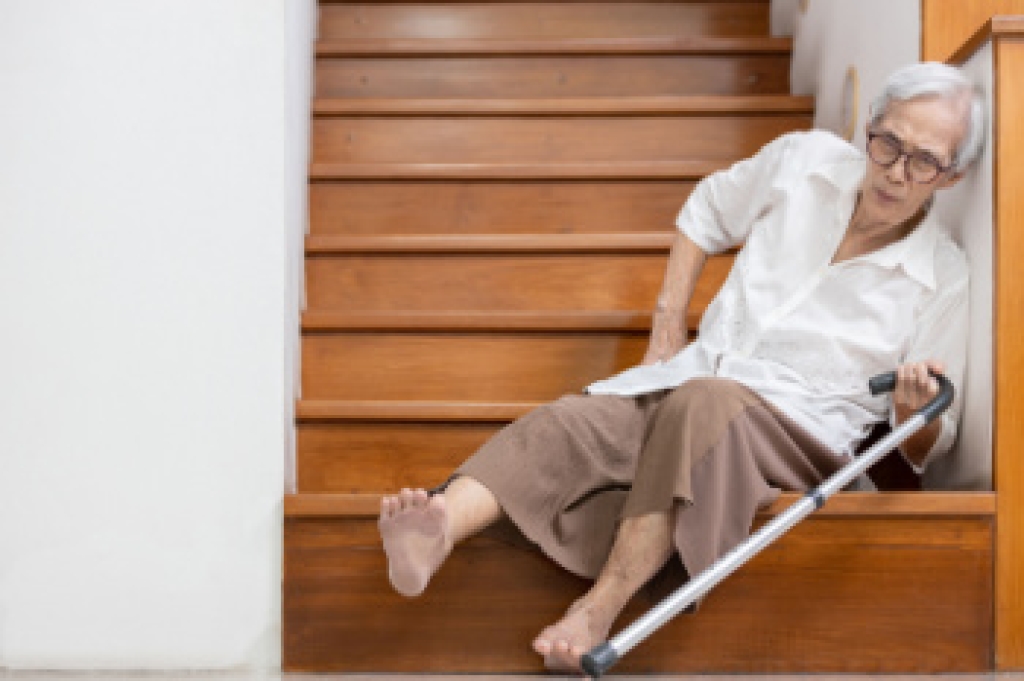
Preventing falls is an essential factor for maintaining independence and safety as people age. Regular eyesight checks help ensure vision problems do not increase the risk of tripping. Keeping floors clear of clutter creates a safer environment, and installing grab bars in bathrooms and near stairs adds extra support where it is needed most. Additionally, wearing shoes that fit well and provide good traction helps improve balance and reduces slipping. A podiatrist can identify foot pain, instability, or structural issues that may affect walking confidence and increase fall risk. If you are experiencing foot problems, it is suggested that you consult a podiatrist who can treat various foot and ankle conditions, and guide you on additional fall prevention tips.
Preventing falls among the elderly is very important. If you are older and have fallen or fear that you are prone to falling, consult with one of our podiatrists from Arch Foot & Ankle. Our doctors will assess your condition and provide you with quality advice and care.
Every 11 seconds, an elderly American is being treated in an emergency room for a fall related injury. Falls are the leading cause of head and hip injuries for those 65 and older. Due to decreases in strength, balance, senses, and lack of awareness, elderly persons are very susceptible to falling. Thankfully, there are a number of things older persons can do to prevent falls.
How to Prevent Falls
Some effective methods that older persons can do to prevent falls include:
Falling can be a traumatic and embarrassing experience for elderly persons; this can make them less willing to leave the house, and less willing to talk to someone about their fears of falling. Doing such things, however, will increase the likelihood of tripping or losing one’s balance. Knowing the causes of falling and how to prevent them is the best way to mitigate the risk of serious injury.
If you have any questions, please feel free to contact our offices located in Sugar Land, Houston, Bellaire, and Wayside/Harrisburg, TX . We offer the newest diagnostic and treatment technologies for all your foot care needs.
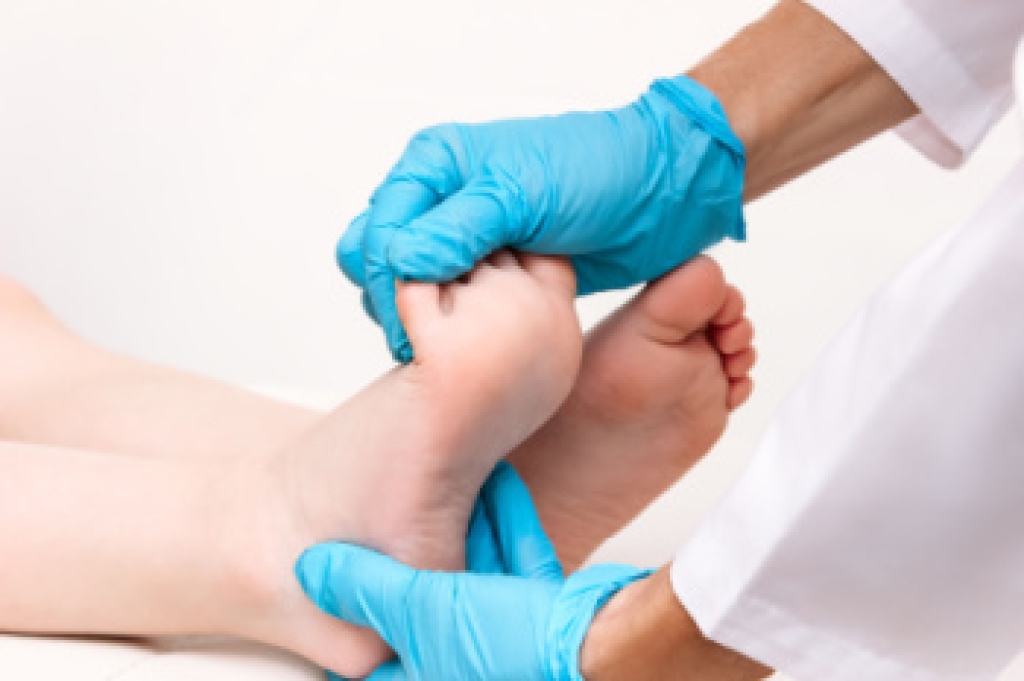
Dry, red, shiny patches on a child’s feet can look alarming, but several conditions may cause this appearance. One common source is juvenile plantar dermatosis, a condition that creates smooth, reddish areas on the forefoot due to friction, sweat, and tight footwear. Eczema can also create irritated, dry patches that become shiny when the skin is inflamed. Some children react to detergents, shoe materials, or dyes, leading to contact dermatitis that appears as bright, irritated skin. Although less frequent in younger children, fungal infections may cause peeling, redness, and discomfort. Psoriasis can occasionally involve the feet as well, creating distinct shiny plaques. Rarely, certain illnesses that cause redness and swelling of the feet may be involved. A podiatrist can identify the cause, guide treatment, and recommend ways to protect the skin. If your child’s symptoms continue or worsen, it is suggested that you see a podiatrist for an accurate diagnosis and effective treatment solutions.
Making sure that your children maintain good foot health is very important as they grow. If you have any questions, contact one of our podiatrists of Arch Foot & Ankle. Our doctors can provide the care you need to keep you pain-free and on your feet.
Keeping Children's Feet Healthy
Having healthy feet during childhood can help prevent medical problems later in life, namely in the back and legs. As children grow, their feet require different types of care. Here are some things to consider...
Although babies do not walk yet, it is still very important to take care of their feet.
Avoid putting tight shoes or socks on his or her feet.
Allow the baby to stretch and kick his or her feet to feel comfortable.
As a toddler, kids are now on the move and begin to develop differently. At this age, toddlers are getting a feel for walking, so don’t be alarmed if your toddler is unsteady or ‘walks funny’.
As your child gets older, it is important to teach them how to take care of their feet.
Show them proper hygiene to prevent infections such as fungus.
Be watchful for any pain or injury.
Have all injuries checked by a doctor as soon as possible.
Comfortable, protective shoes should always be worn, especially at play.
If you have any questions, please feel free to contact our offices located in Sugar Land, Houston, Bellaire, and Wayside/Harrisburg, TX . We offer the newest diagnostic and treatment technologies for all your foot care needs.
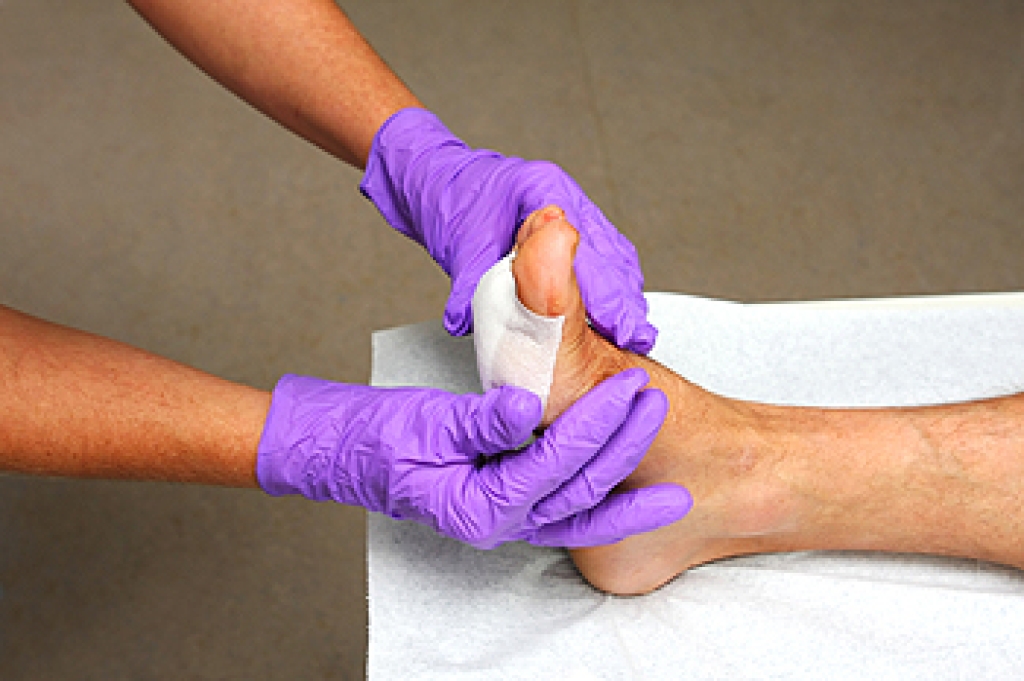
Management of chronic foot wounds requires careful evaluation and steady, consistent care to support healing. These wounds may include diabetic ulcers, pressure injuries, venous ulcers, and traumatic wounds that struggle to close on their own. A podiatrist uses the TIME principle to guide treatment. This approach focuses on tissue debridement to remove nonviable tissue, infection control to protect surrounding skin, moisture balance to create a healthy environment, and attention to the edges of the wound to encourage new growth. Advanced dressings, offloading techniques, and, in some cases, regenerative therapies can further support recovery. Early intervention is essential because chronic wounds can progress quickly and lead to serious complications. If you notice slow healing, increasing redness, drainage, or pain, it is suggested that you visit a podiatrist for a thorough assessment and a personalized treatment plan.
Wound care is an important part in dealing with diabetes. If you have diabetes and a foot wound or would like more information about wound care for diabetics, consult with one of our podiatrists from Arch Foot & Ankle. Our doctors will assess your condition and provide you with quality foot and ankle treatment.
What Is Wound Care?
Wound care is the practice of taking proper care of a wound. This can range from the smallest to the largest of wounds. While everyone can benefit from proper wound care, it is much more important for diabetics. Diabetics often suffer from poor blood circulation which causes wounds to heal much slower than they would in a non-diabetic.
What Is the Importance of Wound Care?
While it may not seem apparent with small ulcers on the foot, for diabetics, any size ulcer can become infected. Diabetics often also suffer from neuropathy, or nerve loss. This means they might not even feel when they have an ulcer on their foot. If the wound becomes severely infected, amputation may be necessary. Therefore, it is of the upmost importance to properly care for any and all foot wounds.
How to Care for Wounds
The best way to care for foot wounds is to prevent them. For diabetics, this means daily inspections of the feet for any signs of abnormalities or ulcers. It is also recommended to see a podiatrist several times a year for a foot inspection. If you do have an ulcer, run the wound under water to clear dirt from the wound; then apply antibiotic ointment to the wound and cover with a bandage. Bandages should be changed daily and keeping pressure off the wound is smart. It is advised to see a podiatrist, who can keep an eye on it.
If you have any questions please contact our offices located in Sugar Land, Houston, Bellaire, and Wayside/Harrisburg, TX . We offer the newest diagnostic and treatment technologies for all your foot and ankle needs.
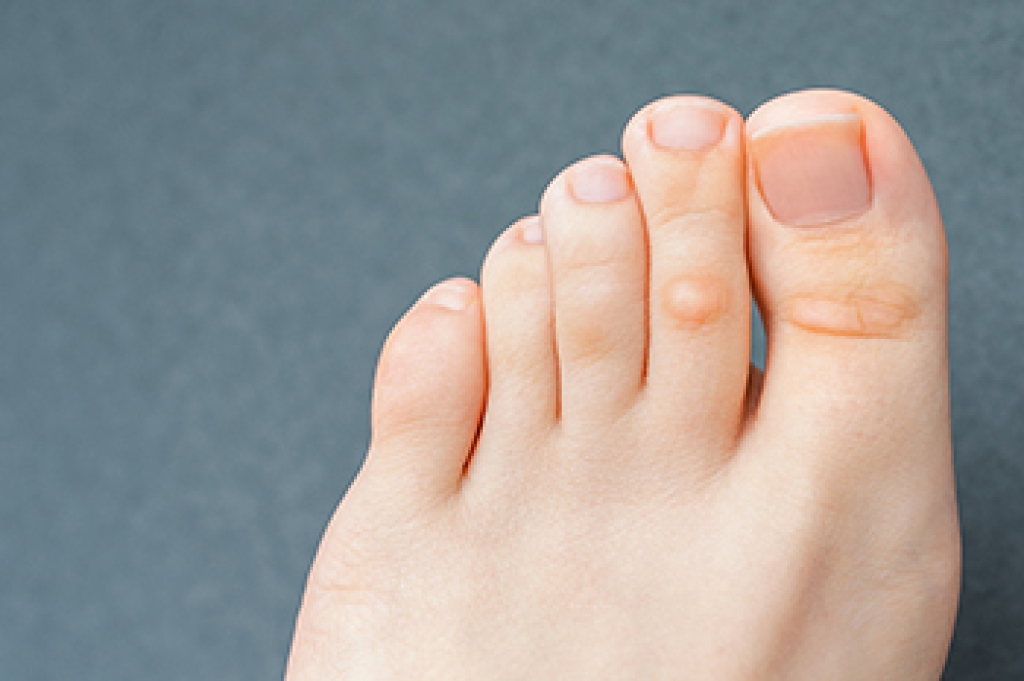
Foot corns are small, thickened areas of hardened skin that develop due to repeated pressure or friction, often on the tops, sides, or soles of the feet. They commonly form from wearing tight shoes, abnormal foot mechanics, or frequent walking or standing. Symptoms include raised, rough bumps that can be tender or extremely painful, especially when pressure is applied. Corns can interfere with walking and daily activities, if left untreated. A podiatrist can safely remove corns, address the underlying cause, and recommend strategies to prevent recurrence. Treatment may include padding, custom orthotics, footwear adjustments, and guidance on proper foot care. Corns can cause extreme pain. If you have developed a foot corn, it is suggested that you consult a podiatrist who can offer effective relief and treatment solutions.
If you have any concerns regarding your feet and ankles, contact one of our podiatrists of Arch Foot & Ankle. Our doctors will treat your foot and ankle needs.
Corns: What Are They? and How Do You Get Rid of Them?
Corns can be described as areas of the skin that have thickened to the point of becoming painful or irritating. They are often layers and layers of the skin that have become dry and rough, and are normally smaller than calluses.
Ways to Prevent Corns
There are many ways to get rid of painful corns such as wearing:
Treating Corns
Treatment of corns involves removing the dead skin that has built up in the specific area of the foot. Consult with Our doctors to determine the best treatment option for your case of corns.
If you have any questions, please feel free to contact our offices located in Sugar Land, Houston, Bellaire, and Wayside/Harrisburg, TX . We offer the newest diagnostic and treatment technologies for all your foot care needs.