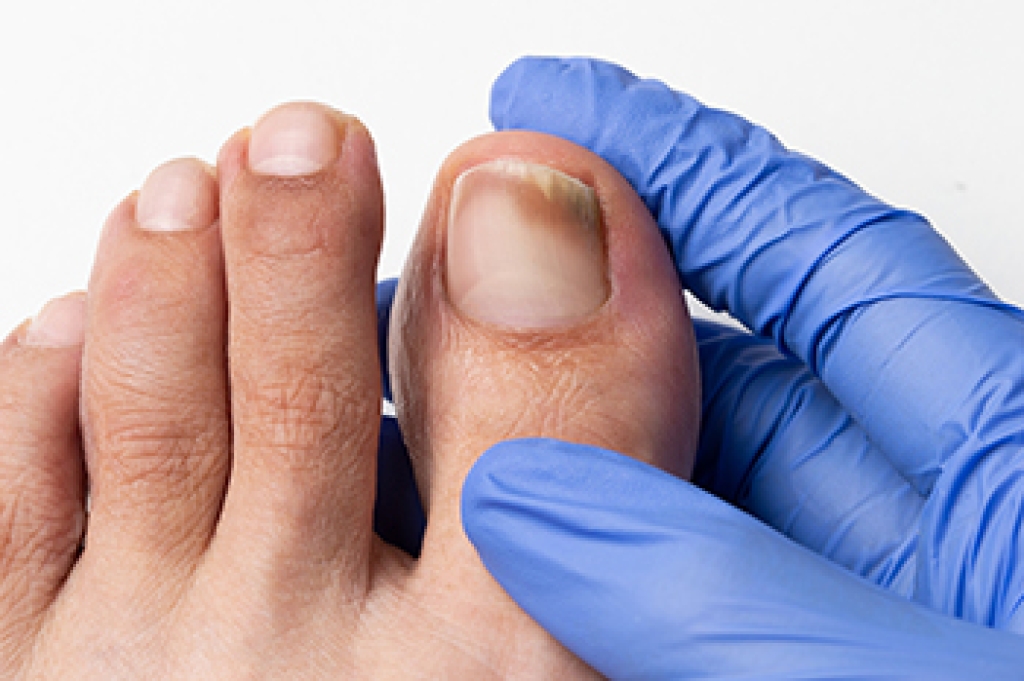
Detecting Stress Fractures in the Feet

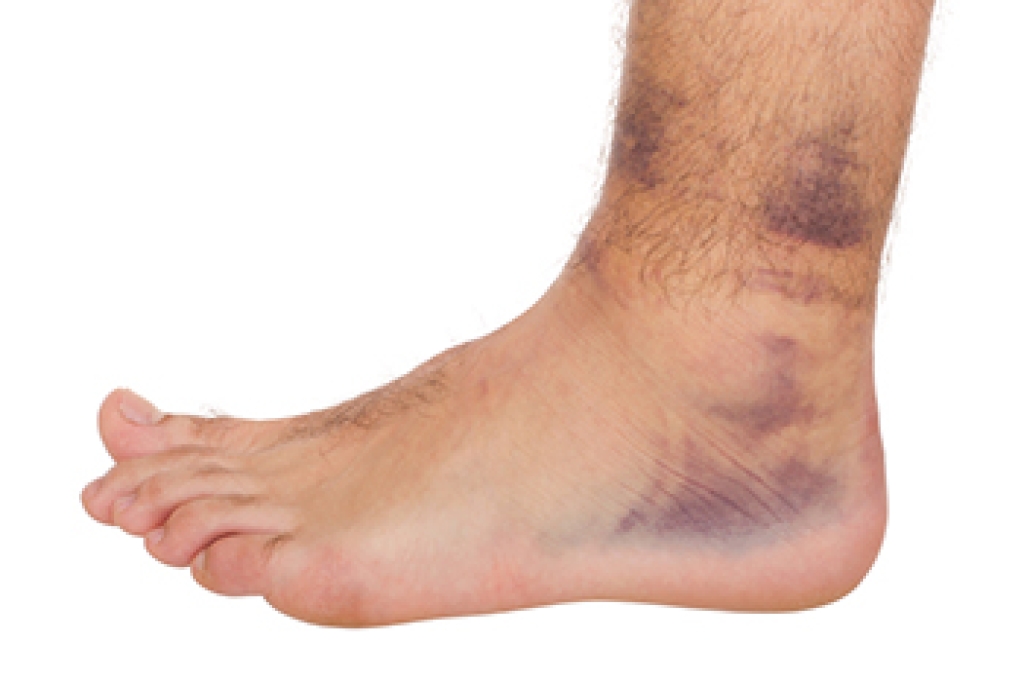
A stress fracture in the foot is a small crack in a bone, caused by repeated pressure rather than a sudden injury. It often develops slowly, so early signs can be easy to miss. Pain may begin as mild discomfort and become more noticeable with walking, running, or standing for long periods. Swelling, tenderness, or bruising may also occur. A stress fracture often affects weight-bearing bones, especially when activity levels increase too quickly. Because these fractures may not always appear on standard X-rays, advanced imaging like an MRI, a scan that shows detailed images of soft tissue and bone, may be needed for diagnosis. Early diagnosis helps prevent the crack from becoming a complete break and allows for proper care. A podiatrist can evaluate symptoms, perform a physical exam, and order the proper tests to confirm the condition. If you are experiencing symptoms of a foot stress fracture, it is suggested that you make an appointment with a podiatrist for treatment.

Activities where too much pressure is put on the feet can cause stress fractures. To learn more, contact one of our podiatrists from Arch Foot & Ankle. Our doctors can provide the care you need to keep your pain free and on your feet.

Dealing with Stress Fractures of the Foot and Ankle

Stress fractures occur in the foot and ankle when muscles in these areas weaken from too much or too little use.  The feet and ankles then lose support when walking or running from the impact of the ground. Since there is no protection, the bones receive the full impact of each step. Stress on the feet can cause cracks to form in the bones, thus creating stress fractures.

What Are Stress Fractures?

Stress fractures occur frequently in individuals whose daily activities cause great impact on the feet and ankles. Stress factors are most common among:

  • Runners                                
  • People affected with Osteoporosis
  • Tennis or basketball players
  • Gymnasts
  • High impact workouts

Symptoms

Pain from the fractures occur in the area of the fractures and can be constant or intermittent. It will often cause sharp or dull pain with swelling and tenderness. Engaging in any kind of activity which involves high impact will aggravate pain.

If you have any questions please contact our offices located in Sugar Land, Houston, Bellaire, and Wayside/Harrisburg, TX . We offer the newest diagnostic and treatment technologies for all your foot and ankle needs.

Read more about Dealing with Stress Fractures of the Foot and Ankle

High Heels and Foot Health

Wearing high heels regularly can negatively affect foot health, contributing to bunions, hammertoes, plantar fasciitis, and even Achilles tendon tears. Frequent high-heel use often leads to chronic foot pain, stiffness, and imbalance. Choosing heels wisely can reduce these risks. Opt for shoes that are less than one-and-a-half inches high, wider at the heel for stability, with soft insoles for cushioning, and ample toe room to prevent crowding. A podiatrist can evaluate your foot structure, recommend supportive footwear, provide custom orthotics, and treat injuries or pain caused by high heel use. If you enjoy wearing high heels but have developed foot pain, it is suggested that you consult a podiatrist who can treat various foot and ankle conditions, as well as guide you on more appropriate shoes to wear for maximum foot health.

High heels have a history of causing foot and ankle problems. If you have any concerns about your feet or ankles, contact one of our podiatrists from Arch Foot & Ankle. Our doctors can provide the care you need to keep you pain-free and on your feet.

Effects of High Heels on the Feet

High heels are popular shoes among women because of their many styles and societal appeal.  Despite this, high heels can still cause many health problems if worn too frequently.

Which Parts of My Body Will Be Affected by High Heels?

  • Ankle Joints
  • Achilles Tendon – May shorten and stiffen with prolonged wear
  • Balls of the Feet
  • Knees – Heels cause the knees to bend constantly, creating stress on them
  • Back – They decrease the spine’s ability to absorb shock, which may lead to back pain.  The vertebrae of the lower back may compress.

What Kinds of Foot Problems Can Develop from Wearing High Heels?

  • Corns
  • Calluses
  • Hammertoe
  • Bunions
  • Morton’s Neuroma
  • Plantar Fasciitis

How Can I Still Wear High Heels and Maintain Foot Health?

If you want to wear high heeled shoes, make sure that you are not wearing them every day, as this will help prevent long term physical problems.  Try wearing thicker heels as opposed to stilettos to distribute weight more evenly across the feet.  Always make sure you are wearing the proper shoes for the right occasion, such as sneakers for exercising.  If you walk to work, try carrying your heels with you and changing into them once you arrive at work.  Adding inserts to your heels can help cushion your feet and absorb shock. Full foot inserts or metatarsal pads are available. 

If you have any questions, please feel free to contact our offices located in Sugar Land, Houston, Bellaire, and Wayside/Harrisburg, TX . We offer the newest diagnostic and treatment technologies for all your foot care needs.

Read more about Effect of High Heels on the Feet

Let the Expert Treat Your Ingrown Toenails

Ingrown toenails can be painful and can make wearing shoes or walking uncomfortable. Seek professional help if you believe you've developed an ingrown toenail and be treated safely. 

scroll to top