
Heel pain can negatively affect your day-to-day life. Simple activities like walking can become incredibly uncomfortable or painful due to heel pain.
Don’t live with heel pain and get treated.
Heel pain can negatively affect your day-to-day life. Simple activities like walking can become incredibly uncomfortable or painful due to heel pain.
Don’t live with heel pain and get treated.
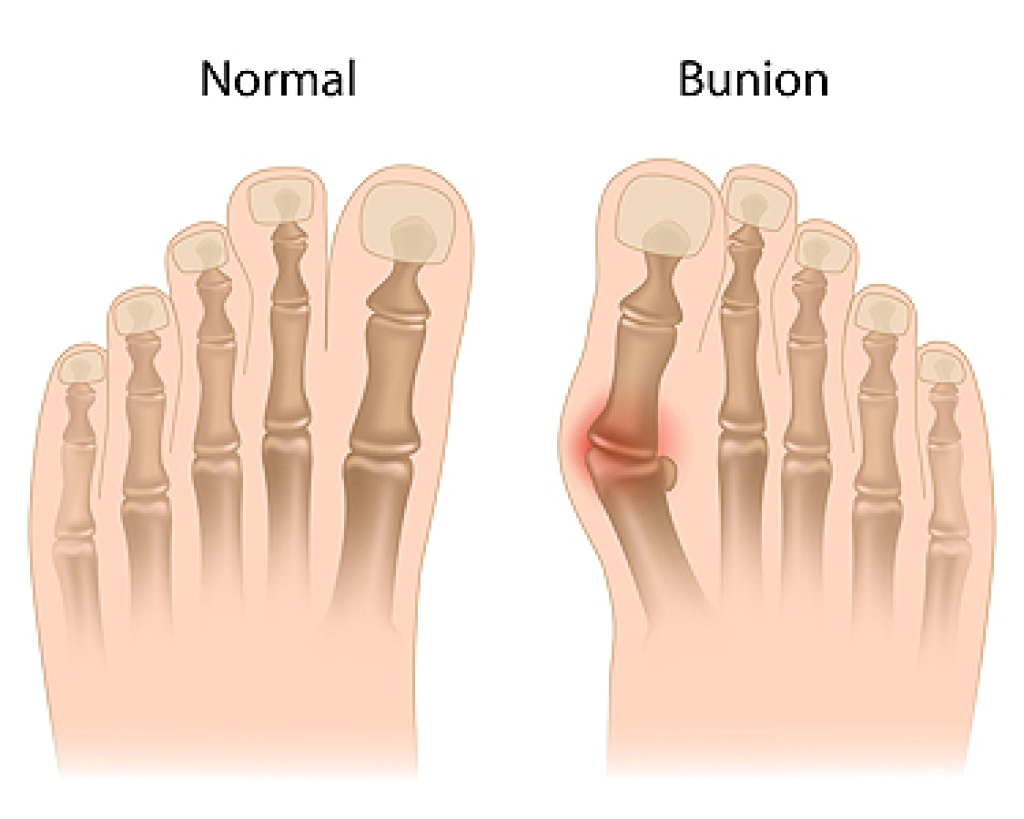
Bunions develop when the joint at the base of the big toe shifts out of alignment, causing a visible bump as the top of the toe gradually moves toward the others. The bump may appear swollen or enlarged and can feel sore, especially with pressure from shoes or prolonged walking. The discomfort may increase and limit daily activities. Causes include inherited foot structure, arthritis, or repetitive stress that places excess pressure on the joint. A podiatrist can evaluate the severity of the deformity and determine whether conservative care or surgery is appropriate. Early treatment options include shoe modifications, padding, and custom orthotics to reduce pressure. When pain persists or the deformity worsens, surgery may be considered to realign the joint and relieve discomfort. Recovery time varies, depending on the severity and procedure. It often involves a period of limited weight bearing, followed by gradual return to activity with supportive care. If you have a painful bunion, it is suggested that you make an appointment with a podiatrist.
If you are suffering from bunion pain, contact one of our podiatrists of Arch Foot & Ankle. Our doctors can provide the care you need to keep you pain-free and on your feet.
What Is a Bunion?
Bunions are painful bony bumps that usually develop on the inside of the foot at the joint of the big toe. As the deformity increases over time, it may become painful to walk and wear shoes. Women are more likely to exacerbate existing bunions since they often wear tight, narrow shoes that shift their toes together. Bunion pain can be relieved by wearing wider shoes with enough room for the toes.
Causes
Symptoms
In order to diagnose your bunion, your podiatrist may ask about your medical history, symptoms, and general health. Your doctor might also order an x-ray to take a closer look at your feet. Nonsurgical treatment options include orthotics, padding, icing, changes in footwear, and medication. If nonsurgical treatments don’t alleviate your bunion pain, surgery may be necessary.
If you have any questions, please feel free to contact our offices located in Sugar Land, Houston, Bellaire, and Wayside/Harrisburg, TX . We offer the newest diagnostic and treatment technologies for all your foot care needs.
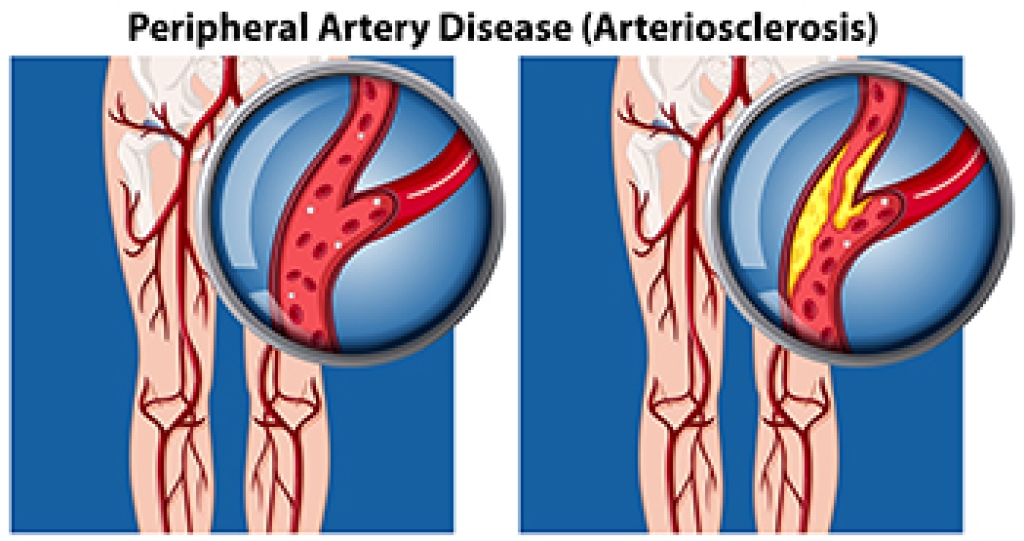
Peripheral artery disease, often called PAD, affects how blood flows to the legs and feet. It is commonly thought of as a problem in the larger arteries, where plaque buildup can limit circulation. However, smaller vessels can also be involved, further reducing blood flow at the tissue level. This combination can make it harder for the body to deliver oxygen and nutrients needed for healing and daily function. People with PAD may notice leg fatigue, cramping with walking, slower healing of cuts, or changes in skin color and temperature. Because both large and small vessels can be affected, symptoms may vary and sometimes appear gradually. Early recognition is important to help manage circulation and reduce the risk of more serious complications. Treatment may include lifestyle changes, medical care, and monitoring of foot health. If you notice signs of poor circulation, it is suggested that you see a podiatrist for a proper diagnosis and appropriate treatment.
Peripheral artery disease can pose a serious risk to your health. It can increase the risk of stroke and heart attack. If you have symptoms of peripheral artery disease, consult with one of our podiatrists from Arch Foot & Ankle. Our doctors will assess your condition and provide you with quality foot and ankle treatment.
Peripheral artery disease (PAD) is when arteries are constricted due to plaque (fatty deposits) build-up. This results in less blood flow to the legs and other extremities. The main cause of PAD is atherosclerosis, in which plaque builds up in the arteries.
Symptoms
Symptoms of PAD include:
It is important to note that a majority of individuals never show any symptoms of PAD.
Diagnosis
While PAD occurs in the legs and arteries, Podiatrists can diagnose PAD. Podiatrists utilize a test called an ankle-brachial index (ABI). An ABI test compares blood pressure in your arm to you ankle to see if any abnormality occurs. Ultrasound and imaging devices may also be used.
Treatment
Fortunately, lifestyle changes such as maintaining a healthy diet, exercising, managing cholesterol and blood sugar levels, and quitting smoking, can all treat PAD. Medications that prevent clots from occurring can be prescribed. Finally, in some cases, surgery may be recommended.
If you have any questions, please feel free to contact our offices located in Sugar Land, Houston, Bellaire, and Wayside/Harrisburg, TX . We offer the newest diagnostic and treatment technologies for all your foot care needs.

Lumps on the toes can develop for several reasons and may vary in size, texture, and level of discomfort. Some lumps grow slowly over time while others appear suddenly after irritation or injury. A common cause is a bunion or bunionette, which forms when the toes shift and creates a bony bump. Ganglion cysts may also appear near the joints or tendons and feel like soft, fluid-filled swellings under the skin. Corns and callouses can sometimes look like small lumps because the skin thickens in response to pressure from shoes. In some cases, a lump may develop from arthritis in the toe joint, which can create bony enlargements that feel firm and tender. Other possibilities include gout deposits, small benign growths, or inflammation of the surrounding tissues. A podiatrist can examine the toe and may use imaging to determine the exact cause of the lump. Treatment depends on the diagnosis and may include footwear changes, padding, medication, or other corrective care. If you notice a lump on your toe, it is suggested that you make an appointment with a podiatrist.
Toe pain can disrupt your daily activities. If you have any concerns, contact one of our podiatrists of Arch Foot & Ankle. Our doctors can provide the care you need to keep you pain-free and on your feet.
What Causes Toe Pain?
Most severe toe pain is caused due to a sports injury, trauma from dropping something heavy on the toe, or bumping into something rigid. Other problems can develop over time for various reasons.
Toe pain can be caused by one or more ailments. The most common include:
When to See a Podiatrist
Diagnosis
In many cases the cause of toe pain is obvious, but in others, a podiatrist may want to use more advanced methods to determine the problem. These can range from simple visual inspections and sensation tests to X-rays and MRI scans. Prior medical history, family medical history, and any recent physical traumatic events will all be taken into consideration for a proper diagnosis.
Treatment
Treatments for toe pain and injuries vary and may include shoe inserts, padding, taping, medicines, injections, and in some cases, surgery. If you believe that you have broken a toe, please see a podiatrist as soon as possible.
If you have any questions please contact our offices located in Sugar Land, Houston, Bellaire, and Wayside/Harrisburg, TX . We offer the newest diagnostic and treatment technologies for all your foot and ankle needs.

Osteoarthritis is a joint condition that affects the feet and ankles when the smooth cartilage that covers the ends of bones begins to wear down. This cartilage normally allows bones to glide easily, but when it breaks down, the bones rub together, leading to pain, swelling, and stiffness. Many people notice symptoms of osteoarthritis in the big toe joint or ankle, which can make walking and standing extremely painful. Joints may feel stiff after rest, and some people hear a grinding or clicking sound during movement. The joint can change shape, and small bony growths can form, which may limit motion. Risk factors include aging, prior injuries, and added stress on the joints. A podiatrist can evaluate the affected joints, use imaging for diagnosis, and provide treatment. Options include custom orthotics, bracing, and pain relief medication. Surgery may be recommended in severe cases. If you have symptoms of osteoarthritis in your feet or ankles, it is suggested that you make an appointment with a podiatrist for help.
Arthritis can be a difficult condition to live with. If you are seeking treatment, contact one of our podiatrists from Arch Foot & Ankle. Our doctors can provide the care you need to keep you pain-free and on your feet.
Arthritic Foot Care
Arthritis is a joint disorder that involves the inflammation of different joints in your body, such as those in your feet. Arthritis is often caused by a degenerative joint disease and causes mild to severe pain in all affected areas. In addition to this, swelling and stiffness in the affected joints can also be a common symptom of arthritis.
In many cases, wearing ill-fitting shoes can worsen the effects and pain of arthritis. Wearing shoes that have a lower heel and extra room can help your feet feel more comfortable. In cases of rheumatoid arthritis, the arch in your foot may become problematic. Buying shoes with proper arch support that contour to your feet can help immensely.
Alleviating Arthritic Pain
It is best to see your doctor for the treatment that is right for your needs and symptoms. Conditions vary, and a podiatrist can help you determine the right method of care for your feet.
If you have any questions please feel free to contact our offices located in Sugar Land, Houston, Bellaire, and Wayside/Harrisburg, TX . We offer the newest diagnostic tools and technology to treat your foot and ankle needs.