Why Balance Problems Lead to Falls

Falls related to balance problems can happen when the body loses its ability to stay steady during movement or while standing still. This condition may appear as unsteadiness, dizziness, or a feeling that the ground is shifting underfoot. Causes often include vision problems that affect depth perception, inner ear issues that disrupt equilibrium, and nerve damage such as neuropathy that reduces sensation in the feet. When the feet cannot properly feel the ground, it becomes harder to react quickly and maintain stability. A podiatrist plays an important role by evaluating foot structure, nerve function, and gait patterns. They can identify underlying concerns, recommend supportive devices, and coordinate care to reduce the risk of further injury. If you have injured your foot or ankle from falling, it is suggested that you consult a podiatrist who can offer effective relief, treatment, and prevention techniques.

Preventing falls among the elderly is very important. If you are older and have fallen or fear that you are prone to falling, consult with one of our podiatrists from Arch Foot & Ankle. Our doctors will assess your condition and provide you with quality advice and care.

Every 11 seconds, an elderly American is being treated in an emergency room for a fall related injury. Falls are the leading cause of head and hip injuries for those 65 and older. Due to decreases in strength, balance, senses, and lack of awareness, elderly persons are very susceptible to falling. Thankfully, there are a number of things older persons can do to prevent falls.

How to Prevent Falls

Some effective methods that older persons can do to prevent falls include:

  • Enrolling in strength and balance exercise program to increase balance and strength
  • Periodically having your sight and hearing checked
  • Discuss any medications you have with a doctor to see if it increases the risk of falling
  • Clearing the house of falling hazards and installing devices like grab bars and railings
  • Utilizing a walker or cane
  • Wearing shoes that provide good support and cushioning
  • Talking to family members about falling and increasing awareness

Falling can be a traumatic and embarrassing experience for elderly persons; this can make them less willing to leave the house, and less willing to talk to someone about their fears of falling. Doing such things, however, will increase the likelihood of tripping or losing one’s balance. Knowing the causes of falling and how to prevent them is the best way to mitigate the risk of serious injury.  

If you have any questions, please feel free to contact our offices located in Sugar Land, Houston, Bellaire, and Wayside/Harrisburg, TX . We offer the newest diagnostic and treatment technologies for all your foot care needs.
Read more about Falls Prevention

Recognizing Symptoms of Athlete’s Foot

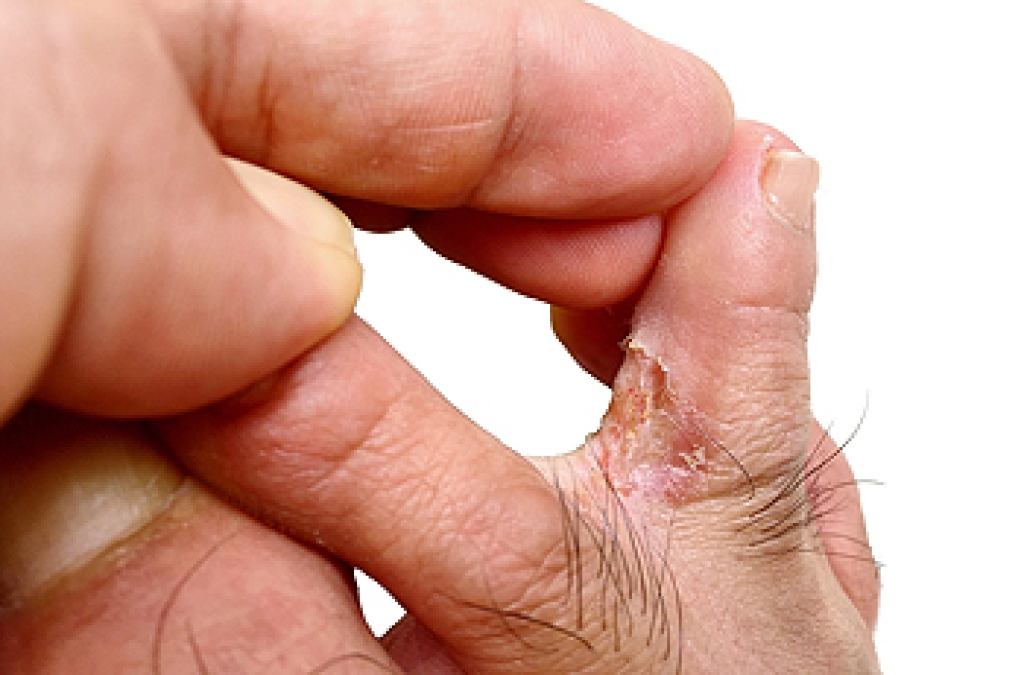
Athlete’s foot is a fungal infection that affects the skin on the feet, especially between the toes. It often appears as red, itchy, or peeling skin that may crack or burn. In some cases, the skin can become dry and scaly or develop small blisters. This condition develops when fungi grow in warm, moist environments, such as sweaty shoes or locker rooms. Risk factors include wearing tight footwear, having damp feet for long periods, and using shared surfaces without protection. Symptoms may worsen if the infection spreads or is left untreated. A podiatrist can confirm the diagnosis, provide targeted treatment, and help prevent the infection from returning. If your feet are itchy or if you notice skin changes between the toes, it is suggested that you consult a podiatrist.

Athlete’s Foot

Athlete’s foot is often an uncomfortable condition to experience. Thankfully, podiatrists specialize in treating athlete’s foot and offer the best treatment options. If you have any questions about athlete’s foot, consult with one of our podiatrists from Arch Foot & Ankle. Our doctors will assess your condition and provide you with quality treatment.

What Is Athlete’s Foot?

Tinea pedis, more commonly known as athlete’s foot, is a non-serious and common fungal infection of the foot. Athlete’s foot is contagious and can be contracted by touching someone who has it or infected surfaces. The most common places contaminated by it are public showers, locker rooms, and swimming pools. Once contracted, it grows on feet that are left inside moist, dark, and warm shoes and socks.

Prevention

The most effective ways to prevent athlete’s foot include:

  • Thoroughly washing and drying feet
  • Avoid going barefoot in locker rooms and public showers
  • Using shower shoes in public showers
  • Wearing socks that allow the feet to breathe
  • Changing socks and shoes frequently if you sweat a lot

Symptoms

Athlete’s foot initially occurs as a rash between the toes. However, if left undiagnosed, it can spread to the sides and bottom of the feet, toenails, and if touched by hand, the hands themselves. Symptoms include:

  • Redness
  • Burning
  • Itching
  • Scaly and peeling skin

Diagnosis and Treatment

Diagnosis is quick and easy. Skin samples will be taken and either viewed under a microscope or sent to a lab for testing. Sometimes, a podiatrist can diagnose it based on simply looking at it. Once confirmed, treatment options include oral and topical antifungal medications.

If you have any questions, please feel free to contact our offices located in Sugar Land, Houston, Bellaire, and Wayside/Harrisburg, TX . We offer the newest diagnostic and treatment technologies for all your foot care needs.

Read more about How to Deal with Athlete's Foot
Advanced Podiatric Procedures & Services in the Fort Bend County, TX: Sugar Land, Missouri City, Stafford, Richmond, Rosenberg, Fresno, Harris County, TX:Houston, Bellaire, West University Place, Southside Place, Jacinto City, Galena Park, Pasadena, Deer Park, South Houston, Humble, Katy, Brazoria County, TX:Pearland, Alvin, Manvel, Montgomery County, TX:The Woodlands, Shenandoah, Conroe areas