
Painful deformities, such as hammertoes, can be treated. Stop living with foot pain, and have beautiful feet again!
Painful deformities, such as hammertoes, can be treated. Stop living with foot pain, and have beautiful feet again!
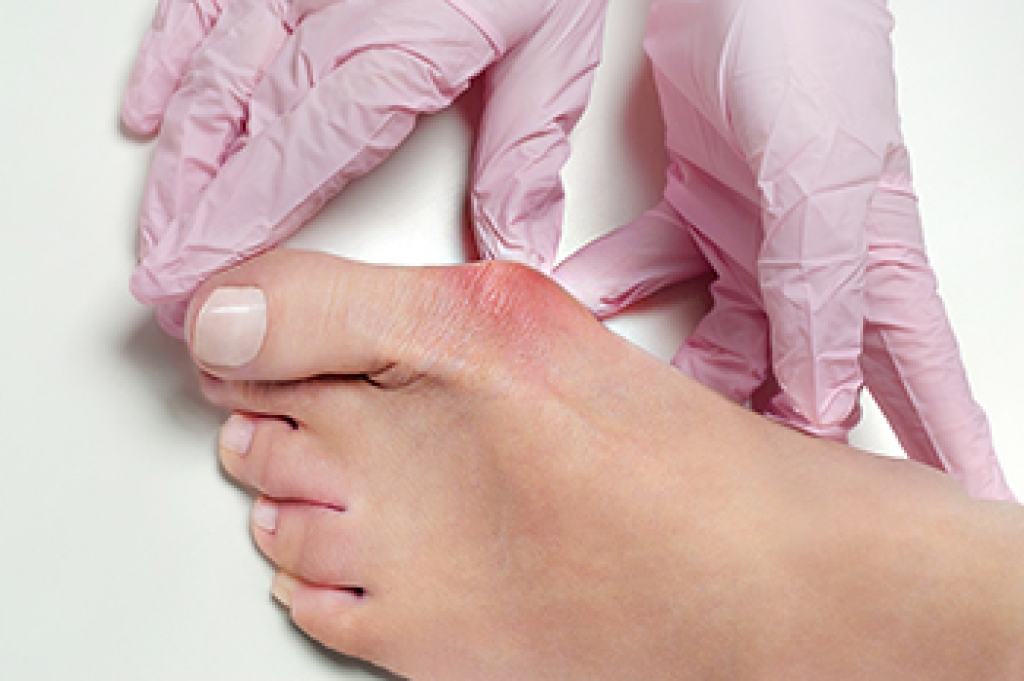
A bunion is a structural deformity of the foot that develops at the base of the big toe joint. It occurs when the joint shifts out of alignment, as the big toe leans toward the smaller toes. This change creates a visible bump on the side of the foot that can become painful over time. Bunions often develop gradually and may worsen without proper care. Common causes include genetic foot structure, wearing improper footwear, and repetitive pressure on the forefoot.
Early symptoms of a bunion include mild swelling, redness, and tenderness surrounding the joint. Many individuals notice a burning sensation or numbness in the affected area, especially after long periods of standing or walking. As the condition progresses, the joint may become stiff, and the shape of the foot can begin to change. Shoes may feel tighter, and irritation from friction can lead to additional discomfort. Recognizing these early signs is important for preventing further progression.
Risk factors for bunions include inherited foot mechanics, flat feet, and abnormal gait patterns. Wearing narrow or tight-fitting shoes that crowd the toes can increase pressure on the joint and accelerate deformity. Occupations or activities that place repeated stress on the forefoot may also contribute. Over time, these factors can lead to joint instability and worsening alignment of the big toe.
Managing bunions in the early stages focuses on reducing pressure and improving foot support. Wearing properly fitted shoes with a wide toe box can help minimize irritation. Orthotic support may improve alignment and reduce strain on the joint. Early intervention can slow progression and improve comfort. If you are noticing early stages of a bunion, it is suggested that you consult a podiatrist for effective relief and management tips.
If you are suffering from bunions, contact one of our podiatrists of Arch Foot & Ankle. Our doctors can provide the care you need to keep you pain-free and on your feet.
What Is a Bunion?
A bunion is formed of swollen tissue or an enlargement of boney growth, usually located at the base joint of the toe that connects to the foot. The swelling occurs due to the bones in the big toe shifting inward, which impacts the other toes of the foot. This causes the area around the base of the big toe to become inflamed and painful.
Why Do Bunions Form?
Genetics – Susceptibility to bunions are often hereditary
Stress on the feet – Poorly fitted and uncomfortable footwear that places stress on feet, such as heels, can worsen existing bunions
How Are Bunions Diagnosed?
Podiatrists often perform two tests – blood tests and x-rays – when trying to diagnose bunions, especially in the early stages of development. Blood tests help determine if the foot pain is being caused by something else, such as arthritis, while x-rays provide a clear picture of your bone structure to your provider.
How Are Bunions Treated?
If you have any questions, please feel free to contact our offices located in Sugar Land, Houston, Bellaire, and Wayside/Harrisburg, TX . We offer the newest diagnostic and treatment technologies for all your foot care needs.

Many jobs require standing or walking for long hours each day. Healthcare workers, retail employees, and restaurant staff often spend most of their shift on their feet. This repeated stress can place extra pressure on the muscles, joints, and soft tissues of the feet. As a result, foot pain may develop gradually and begin to interfere with work and everyday activities. Common symptoms include aching, swelling, and heel pain that becomes worse after long periods of standing. Ignoring these warning signs may allow the problem to worsen and make daily movement more difficult. Early evaluation is important because foot pain is often easier to manage before it becomes a long-term problem.
A podiatrist can determine the cause of your discomfort with a thorough examination of your feet and the way you walk. Long hours on your feet may contribute to plantar fasciitis, tendon irritation, or joint pain. Once the cause is identified, a personalized treatment plan can be developed to improve comfort and reduce stress on the feet. Treatment may include custom orthotics, supportive footwear recommendations, or certain medical therapies based on your specific needs. Professional care also helps monitor your progress and reduce the risk of ongoing foot problems that could affect your ability to work.
Professional foot pain treatment, podiatry care, and custom orthotics can help support healthy movement and improve comfort during long workdays. Addressing symptoms early may also help prevent more serious foot conditions from developing. A podiatrist focuses on treating the underlying cause of pain so you can stay active with greater confidence. If standing for long hours is causing foot pain or swelling, it is suggested that you consult a podiatrist for an evaluation and appropriate treatment options.
While working on the feet, it is important to take the proper care of them. For more information about working on your feet, contact one of our podiatrists from Arch Foot & Ankle. Our doctors will treat your foot and ankle needs.
Working on Your Feet
Standing on your feet for long periods of time can cause stress and pain in your feet. Your whole body may experience change in terms of posture, back pain, bunions, callouses and or plantar warts. There are ways to avoid these conditions with proper foot care, smart choices and correct posture.
Positive Changes
Negative heeled shoe – Choosing this shoe type places the heel slightly lower than the ball of the foot. These are great for overall foot health. Find shoes that fit you correctly.
Go barefoot – Our feet were not designed to be enclosed for all hours of the day. Try to periodically expose your feet to air.
Eliminate Pain
Foot Exercises – Performing simple exercises, incorporating yoga and doing stretches are beneficial. This will allow increased blood flow to the area and muscles of the foot.
Achilles tendon – Stretching the foot out flat on the floor will relax the calf muscles and tendon. These exercises can be performed almost anywhere. Make sure you add these exercises to your daily regimen.
With a little bit of this information and knowing more about foot health, you will notice changes. Foot stretches and proper footwear will help with pain and prevent further issues.
If you have any questions please contact our offices located in Sugar Land, Houston, Bellaire, and Wayside/Harrisburg, TX . We offer the newest diagnostic and treatment technologies for all your foot and ankle needs.
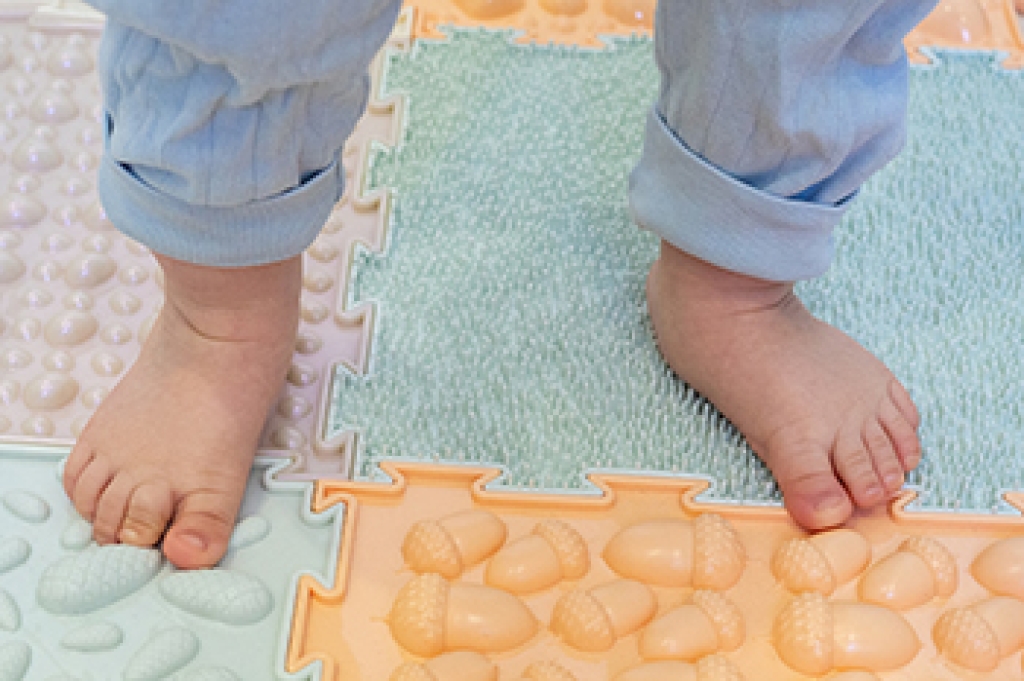
Flat feet in children occur when the arch on the inside of the foot appears low or touches the ground while standing. This condition is common in younger children because the arches are still developing. In many cases, the arch becomes more noticeable as a child grows. Some children inherit flat feet from family members. Many children with flat feet have no pain and continue normal activities without difficulty. Parents may notice that their child’s feet roll inward, shoes wear unevenly, or the child stands with the feet turned outward.
Some children with flat feet have pain in the arch, heel, or ankle, especially after long periods of activity. Other children report tired feet and legs after sports or playground activities. A child may also complain of aching in the calf muscles. In certain cases, a tight calf muscle contributes to the flattening of the foot. The calf muscle is located on the back of the lower leg and helps control movement at the ankle. When it is tight, extra stress can be placed on the foot.
A podiatrist can determine the type of flatfoot your child has. Flexible flat feet have normal foot movement and an arch that appears when the child stands on tiptoes or sits down. Rigid flat feet have limited movement and remain flat regardless of position. Treatment focuses on reducing discomfort and improving function rather than changing the shape of the foot. Options include stretching exercises, supportive shoes, and custom orthotics. Activity changes can also help reduce strain. Most children respond well to conservative care and remain active. If your child has pain from flat feet, it is suggested that you make an appointment with a podiatrist for an exam and treatment options.
The health of a child’s feet is vital to their overall well-being. If you have any questions regarding foot health, contact one of our podiatrists of Arch Foot & Ankle. Our doctors can provide the care you need to keep you pain-free and on your feet.
Tips for Keeping Children's Feet Healthy
If you have any questions, please feel free to contact our offices located in Sugar Land, Houston, Bellaire, and Wayside/Harrisburg, TX . We offer the newest diagnostic and treatment technologies for all your foot care needs.
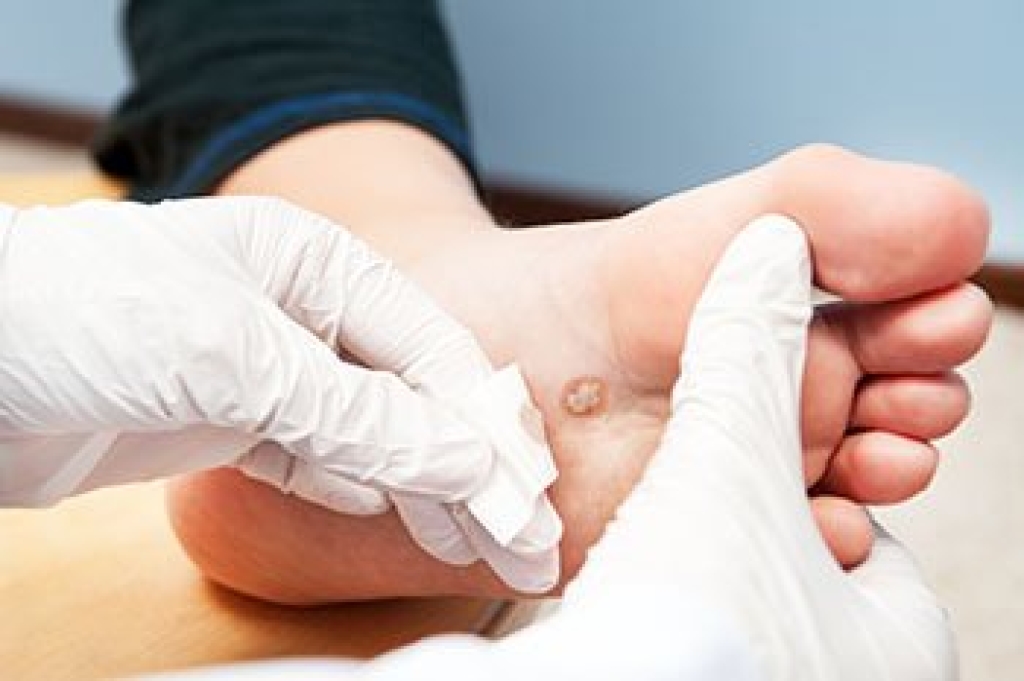
Plantar warts are small, rough growths that form on the bottom of the foot. They are caused by HPV, which stands for human papillomavirus. This virus can enter through tiny cuts or weak spots in the skin. These warts are frequently found on the heel or ball of the foot because those areas take the most pressure. That pressure can push the wart inward under thick, hardened skin. A plantar wart can look like a callus, but it can also have tiny black dots. These dots are small, clotted blood vessels, not seeds. Pain can occur when standing or when walking, especially if the wart is in a weight-bearing spot.
Plantar warts can spread on the same foot, and some people develop a cluster which are called mosaic warts. The virus grows well in warm, moist places like locker rooms, pool areas, and shared showers. Children, teenagers, and people with weaker immune systems are more likely to get them. A podiatrist can tell whether the growth is a wart, a corn, or another skin problem. This matters because different foot growths need different care. The podiatrist examines the skin lines, checks for tenderness, and looks for signs that the wart has grown inward. A clear diagnosis helps prevent delays in treatment.
Professional treatment focuses on removing the wart safely and reducing pain. A podiatrist can trim thick skin from the area, apply medicine in the office, or use freezing treatment. Some patients need repeated visits because plantar warts can be stubborn. Your podiatrist can also check whether the wart is changing your step and causing strain in other areas of the foot. This is important because pain can affect posture, balance, and daily activity. Patients with diabetes, poor feeling in the feet, or a weak immune system should seek care promptly. If you have developed a plantar wart, it is suggested that you schedule an appointment with a podiatrist for diagnosis and appropriate treatment.
Plantar warts can be very uncomfortable. If you need your feet checked, contact one of our podiatrists from Arch Foot & Ankle. Our doctors will assist you with all of your foot and ankle needs.
About Plantar Warts
Plantar warts are the result of HPV, or human papillomavirus, getting into open wounds on the feet. They are mostly found on the heels or balls of the feet.
While plantar warts are generally harmless, those experiencing excessive pain or those suffering from diabetes or a compromised immune system require immediate medical care. Plantar warts are easily diagnosed, usually through scraping off a bit of rough skin or by getting a biopsy.
Symptoms
Treatment
To help prevent developing plantar warts, avoid walking barefoot over abrasive surfaces that can cause cuts or wounds for HPV to get into. Avoiding direct contact with other warts, as well as not picking or rubbing existing warts, can help prevent the further spread of plantar warts. However, if you think you have developed plantar warts, speak to your podiatrist. He or she can diagnose the warts on your feet and recommend the appropriate treatment options.
If you have any questions, please feel free to contact our offices located in Sugar Land, Houston, Bellaire, and Wayside/Harrisburg, TX . We offer the newest diagnostic and treatment technologies for all your foot care needs.