
Gout is a painful, inflammatory form of arthritis. Those affected will typically feel an intense stiffness in the joints of their feet, particularly in the big toe. Schedule a visit to learn about how gout can be managed and treated.
Gout is a painful, inflammatory form of arthritis. Those affected will typically feel an intense stiffness in the joints of their feet, particularly in the big toe. Schedule a visit to learn about how gout can be managed and treated.
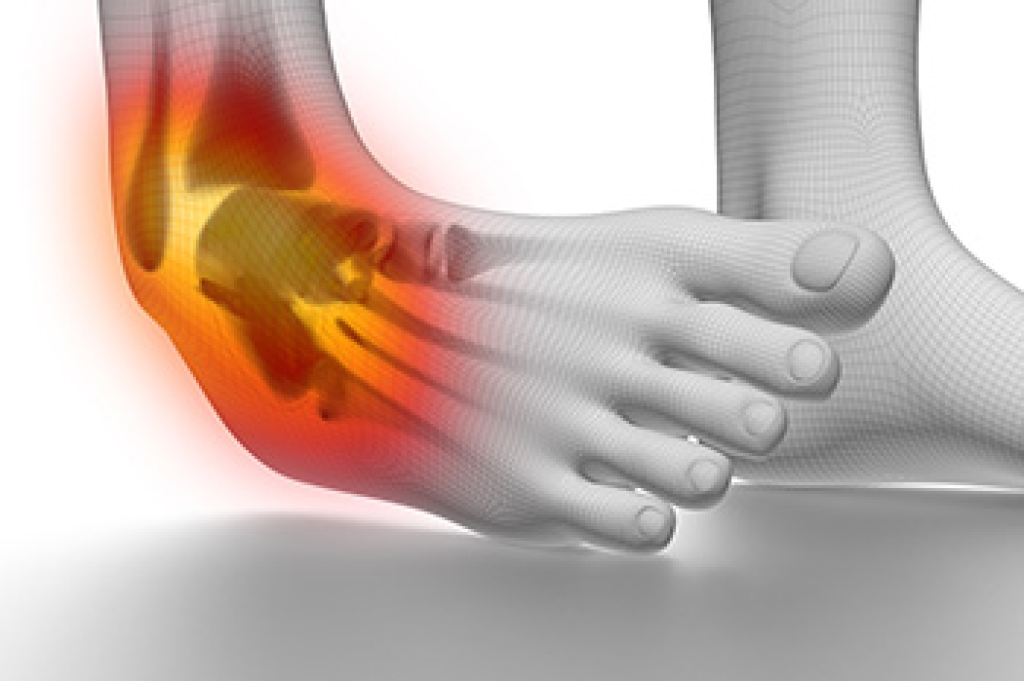
Ankle sprains occur when the ligaments that support the ankle are stretched or torn. This typically happens during sudden twisting movements, awkward landings, or uneven surfaces. While many ankle sprains heal with proper care, some cases may involve nerve damage, which can lead to more complex symptoms. Understanding the definition and causes of ankle sprains, along with the potential for nerve involvement, is important for early recognition and effective treatment.
Symptoms of a typical ankle sprain include pain, swelling, bruising, and limited movement. However, when nerve damage is present, additional signs may appear. These include radiating pain that travels beyond the ankle, altered skin sensation such as tingling or numbness, and unusual sensitivity to touch. In more severe cases, individuals may experience foot drop, which makes it difficult to lift the front part of the foot. Loss of muscle size can also occur if nerve signals are disrupted. These symptoms require careful attention, as they may indicate a more serious condition.
Risk factors for ankle sprains include participation in sports, walking on uneven terrain, and wearing improper footwear. Repeated sprains can increase the likelihood of nerve irritation or damage. High-impact activities and poor balance may also contribute to injury. When the ankle is unstable, nearby nerves may become compressed or stretched, leading to ongoing symptoms. Recognizing these risk factors can help individuals take preventive measures and reduce the chance of complications.
Proper care and early evaluation are essential for managing ankle injuries and preventing long-term effects. Rest, support, and gradual rehabilitation can help restore strength and stability. If signs of nerve damage are present, specialized treatment may be needed to protect function and mobility. If you suspect nerve damage from an ankle sprain, it is suggested that you consult a podiatrist for an accurate diagnosis and appropriate treatment.
Ankle sprains are common but need immediate attention. If you need your feet checked, contact one of our podiatrists from Arch Foot & Ankle. Our doctors can provide the care you need to keep you pain-free and on your feet.
How Does an Ankle Sprain Occur?
Ankle sprains take place when the ligaments in your ankle are torn or stretched beyond their limits. There are multiple ways that the ankle can become injured, including twisting or rolling over onto your ankle, putting undue stress on it, or causing trauma to the ankle itself.
What Are the Symptoms?
Preventing a Sprain
Treatment of a Sprain
Treatment of a sprain depends on the severity. Many times, people are told to rest and remain off their feet completely, while others are given an air cast. If the sprain is very severe, surgery may be required.
If you have suffered an ankle sprain previously, you may want to consider additional support such as a brace and regular exercises to strengthen the ankle.
If you have any questions please feel free to contact our offices located in Sugar Land, Houston, Bellaire, and Wayside/Harrisburg, TX . We offer the newest diagnostic tools and technology to treat your foot and ankle needs.

Foot changes during pregnancy occur as the body adapts to support a growing baby. Increased weight, hormonal changes, and shifts in posture can place extra stress on the feet and lower limbs. These changes can affect balance, walking patterns, and overall foot comfort. During pregnancy, hormones that help prepare the body for childbirth can also loosen ligaments throughout the body, including those that support the feet. Understanding these changes can help expectant mothers protect their foot health.
Symptoms of pregnancy related foot changes may include swelling, arch discomfort, heel pain, and increased foot size. Many women notice that shoes feel tighter or that their feet appear wider. As the arches become more lax, the feet may flatten slightly, causing additional strain on muscles and joints. Structural changes in the lower limbs can also affect alignment, leading to discomfort in the ankles, knees, or hips. These symptoms are often more noticeable later in pregnancy when weight and pressure increase.
Several risk factors can contribute to foot pain and structural changes during pregnancy. Added weight places more pressure on the feet, increasing stress on the arches and joints. These changes may happen more noticeably during a first pregnancy because the body is experiencing new physical demands. Women with previous foot problems, poor footwear choices, or existing alignment concerns may have a higher risk of discomfort. The combination of hormonal changes and increased body weight can create conditions that affect normal foot function.
Supporting foot health during pregnancy involves wearing properly fitted shoes with adequate cushioning and arch support. Avoiding prolonged standing and elevating the feet can help reduce swelling. Gentle stretching and maintaining healthy movement may also improve comfort. Monitoring changes in foot structure and addressing pain early can prevent worsening symptoms. If you have foot pain during your pregnancy, it is suggested that you consult a podiatrist for effective relief and treatment solutions.
Pregnant women with swollen feet can be treated with a variety of different methods that are readily available. For more information about other cures for swollen feet during pregnancy, consult with one of our podiatrists from Arch Foot & Ankle. Our doctors will attend to all of your foot and ankle needs.
What Foot Problems Can Arise During Pregnancy?
One problem that can occur is overpronation, which occurs when the arch of the foot flattens and tends to roll inward. This can cause pain and discomfort in your heels while you’re walking or even just standing up, trying to support your baby.
Another problem is edema, or swelling in the extremities. This often affects the feet during pregnancy but tends to occur in the later stages.
How Can I Keep My Feet Healthy During Pregnancy?
If you have any questions, please feel free to contact our offices located in Sugar Land, Houston, Bellaire, and Wayside/Harrisburg, TX . We offer the newest diagnostic and treatment technologies for all your foot care needs.

Obesity can place significant stress on the feet because they support the body's weight with every step. As body weight increases, the bones, joints, and soft tissues in the feet must absorb greater pressure during standing and walking. This added stress may contribute to foot pain, reduced mobility, and changes in the way the feet function. People who are overweight may be more likely to develop heel pain, flat feet, or arthritis affecting the foot and ankle. Ongoing discomfort can make everyday activities more difficult and may reduce overall physical activity. Because foot pain has many possible causes, a professional evaluation is important to identify the underlying problem and recommend the most appropriate treatment.
Excess weight can also affect the structure of the feet and alter normal walking patterns. As movement patterns change, additional strain may be placed on the ankles, knees, and hips. This altered body mechanics can increase discomfort and reduce stability over time. Obesity has also been linked to a higher risk of tendon problems and joint degeneration in the feet. A thorough podiatry evaluation helps determine how weight-related changes are affecting foot function and mobility. Identifying these concerns early allows treatment to focus on relieving pain, improving movement, and helping prevent further complications.
A podiatrist plays an important role in evaluating and treating foot problems related to obesity. During an examination, the podiatrist assesses foot structure, walking mechanics, and joint function to identify the source of discomfort. Treatment is tailored to each patient's condition and focuses on reducing pain, improving mobility, and supporting healthier foot function. Regular podiatry care may also help reduce stress on the feet and monitor changes before they become more severe. If foot pain or difficulty walking is affecting your daily life, it is suggested that you consult a podiatrist for an evaluation and appropriate treatment options.
Obesity has become very problematic at this point in time and can have extremely negative effects on the feet. If you’re an obese individual and are concerned about your feet, contact one of our podiatrists from Arch Foot & Ankle. Our doctors can provide the care you need to keep you pain-free and on your feet.
Obesity and Your Feet
Since your feet are what support your entire weight when standing, any additional weight can result in pain and swelling. Being overweight is one of the main contributors to foot complications.
Problems & Complications
Extra Weight – Even putting on just a few extra pounds could create serious complications for your feet. As your weight increases, your balance and body will shift, creating new stresses on your feet. This uneven weight distribution can cause pain, even while doing the simplest tasks, such as walking.
Diabetes – People who are overweight are at serious risk of developing type-2 diabetes, which has a drastic impact on the health of your feet. As you get older, your diabetes might worsen, which could lead to loss of feeling in your feet, sores, and bruises. You could also become more prone to various infections.
Plantar fasciitis – Pressure and stress that is placed on muscles, joints, and tendons can trigger plantar fasciitis, which is an inflammation of tissue that forms along the bottom of the foot.
If you have any questions, please feel free to contact our offices located in Sugar Land, Houston, Bellaire, and Wayside/Harrisburg, TX . We offer the newest diagnostic and treatment technologies for all your foot care needs.

Diagnosing and treating corns on the feet begins with understanding what they are and why they develop. Corns are small, well-defined areas of thickened, hardened skin that form after repeated rubbing, friction, or pressure. They usually appear on bony parts of the toes or between the toes. Unlike calluses, which cover broader areas, corns have a hard center that can press into the deeper tissue, and cause sharp pain while walking or standing. A podiatrist carefully examines the affected area to confirm that the problem is a corn and not another condition, like a wart. This evaluation also helps identify the source of the pressure, so treatment addresses the cause instead of only the thickened skin.
The location, shape, and appearance of the thickened skin provide valuable clues. The doctor also checks for toe alignment, areas of repeated pressure, and shoes that lack proper support. Soft corns usually develop between the toes where moisture increases friction. Hard corns usually form on dry skin over bony joints. Tiny seed corns can develop on the ball of the foot. Finding the exact cause helps guide treatment and lowers the chance that the corn will quickly return. Patients with diabetes or poor circulation need prompt evaluation, because even minor skin problems can become more serious.
Treatment focuses on relieving pressure and removing the thickened skin safely. A podiatrist can carefully trim away the hardened tissue using sterile instruments. This makes walking more comfortable. Padding can also protect the area from continued friction. Shoe recommendations or custom orthotics can improve foot alignment and reduce repeated pressure that causes corns to form. When severe corns continue to return because of a bone or toe problem, surgery may be suggested to correct the underlying cause. If you have a painful corn, it is suggested that you schedule an appointment with a podiatrist for a diagnosis and appropriate treatment.
Corns can make walking very painful and should be treated immediately. If you have questions regarding your feet and ankles, contact one of our podiatrists of Arch Foot & Ankle. Our doctors will treat your foot and ankle needs.
Corns: What Are They? And How Do You Get Rid of Them?
Corns are thickened areas on the skin that can become painful. They are caused by excessive pressure and friction on the skin. Corns press into the deeper layers of the skin and are usually round in shape.
Ways to Prevent Corns
There are many ways to get rid of painful corns such as:
Treating Corns
Although most corns slowly disappear when the friction or pressure stops, this isn’t always the case. Consult with your podiatrist to determine the best treatment option for your case of corns.
If you have any questions, please feel free to contact our offices located in Sugar Land, Houston, Bellaire, and Wayside/Harrisburg, TX . We offer the newest diagnostic and treatment technologies for all your foot care needs.