
Choosing the Right Running Shoes for Hobby Runners

Choosing the right running shoe is essential for hobby runners who want comfort, support, and injury prevention. Running shoes are designed to protect the feet from repeated impact while supporting natural movement. The definition of a proper running shoe includes features such as cushioning, stability, and a well-fitted shape that matches the foot. Selecting the right shoes can improve performance and reduce stress on the feet, ankles, and knees. Understanding how to choose running shoes helps runners stay active and avoid common foot problems.

Symptoms of wearing improper running shoes may include foot pain, blisters, soreness, or fatigue after activity. Some runners may experience discomfort in the heel, arch, or ball of the foot. These issues can develop when shoes lack proper cushioning or do not fit correctly. Risk factors include wearing shoes that are too tight, choosing the wrong type for the running surface, and continuing to use worn-out footwear. Ignoring these symptoms can lead to more serious concerns, such as overuse injuries or joint strain.


When selecting running shoes, comfort is the most important factor. Shoes should provide enough cushioning to absorb impact, especially for pavement running where surfaces are harder. Trail running shoes should offer grip and stability for uneven terrain. Runners should also ensure there is plenty of room at the end of the shoe for the toes to move freely, which helps prevent pressure and irritation. Knowing the running surface and choosing a shoe designed for that environment can support better performance and reduce injury risk.


Taking time to find the right running shoe can improve comfort and protect long-term foot health. Replacing shoes regularly and paying attention to fit can help prevent unnecessary strain. Making informed choices supports a safer and more enjoyable running experience. If you enjoy running and have sustained a foot or ankle injury, it is suggested that you consult a podiatrist who can offer effective treatment solutions and additional guidance on choosing the right shoes for your running style. 

For more information about walking shoes versus running shoes, consult with one of our podiatrists from Arch Foot & Ankle. Our doctors can measure your feet to determine what your needs are and help you find an appropriate pair of footwear.

Foot Health: The Differences between Walking & Running Shoes

There are great ways to stay in shape: running and walking are two great exercises to a healthy lifestyle. It is important to know that running shoes and walking shoes are not interchangeable. There is a key difference on how the feet hit the ground when someone is running or walking. This is why one should be aware that a shoe is designed differently for each activity.

You may be asking yourself what the real differences are between walking and running shoes and the answers may shock you.

Differences

Walking doesn’t involve as much stress or impact on the feet as running does. However, this doesn’t mean that you should be any less prepared. When you’re walking, you land on your heels and have your foot roll forward. This rolling motion requires additional support to the feet.

Flexibility – Walking shoes are designed to have soft, flexible soles. This allows the walker to push off easily with each step.

If you have any questions, please feel free to contact our offices located in Sugar Land, Houston, Bellaire, and Wayside/Harrisburg, TX . We offer the newest diagnostic and treatment technologies for all your foot care needs.
Read more about Differences between Walking and Running Shoes

How Peripheral Artery Disease Affects Foot Health

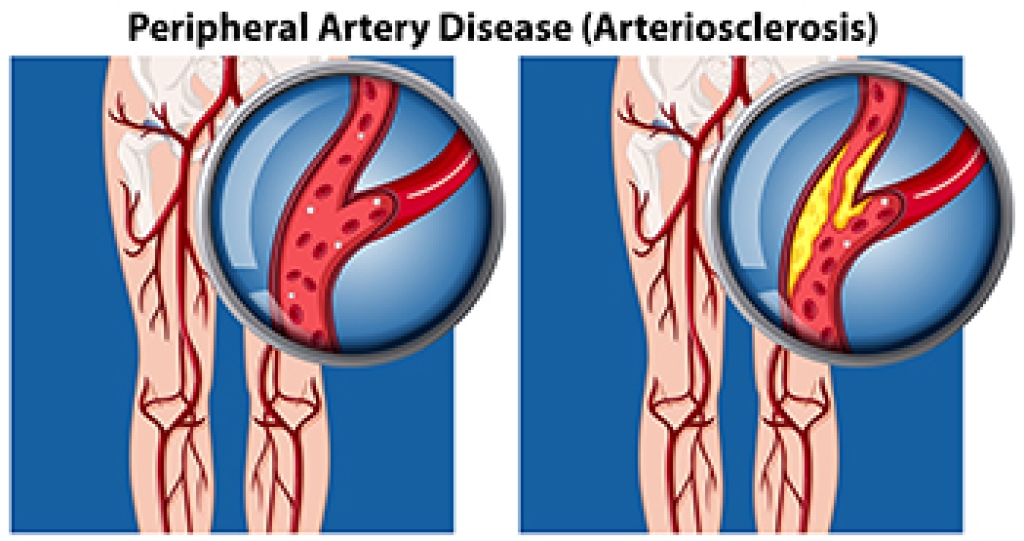
Peripheral artery disease, or PAD, develops when the arteries that carry oxygen-rich blood become narrowed by fatty deposits called plaque. As blood flow decreases, the feet and legs receive less oxygen and fewer nutrients. This can cause pain, slow healing, and changes in skin health. Smoking is a leading risk factor, although diabetes, increasing age, and high cholesterol may also contribute. Symptoms include cramping in the calves while walking, numbness, or feet that look pale or slightly bluish. Small cuts or sores can heal very slowly because healthy circulation is limited. Since these symptoms can resemble other foot problems, a careful evaluation by a podiatrist is important to identify the true cause.

A podiatrist plays an important role in recognizing signs of PAD before serious complications develop. The examination includes checking the skin, nails, temperature, and pulses in the feet. It also includes asking questions about pain while walking and changes in activity. Diagnostic testing can measure blood flow and help determine whether narrowed arteries are affecting the feet. Early diagnosis helps protect foot health and lowers the risk of severe tissue damage. In advanced cases, poor circulation can increase the chance of infection, open wounds, or loss of tissue. A podiatrist can coordinate care with other healthcare providers when circulation problems require additional evaluation.

Regular foot examinations are especially important for people with PAD because reduced blood flow makes even minor foot problems more difficult to heal. A podiatrist can monitor changes in circulation, treat foot wounds, and reduce pressure on affected areas. These measures can help prevent complications that threaten mobility. Professional podiatric care also helps identify warning signs before they become more serious. Prompt attention to pain, skin changes, or slow-healing sores can protect the feet and support better long-term health. If you have symptoms of peripheral artery disease that affect your feet, it is suggested that you schedule an appointment with a podiatrist for effective relief and management solutions.

Peripheral artery disease can pose a serious risk to your health. It can increase the risk of stroke and heart attack. If you have symptoms of peripheral artery disease, consult with one of our podiatrists from Arch Foot & Ankle. Our doctors will assess your condition and provide you with quality foot and ankle treatment.

Peripheral artery disease (PAD) is when arteries are constricted due to plaque (fatty deposits) build-up. This results in less blood flow to the legs and other extremities. The main cause of PAD is atherosclerosis, in which plaque builds up in the arteries.

Symptoms

Symptoms of PAD include:

  • Claudication (leg pain from walking)
  • Numbness in legs
  • Decrease in growth of leg hair and toenails
  • Paleness of the skin
  • Erectile dysfunction
  • Sores and wounds on legs and feet that won’t heal
  • Coldness in one leg

It is important to note that a majority of individuals never show any symptoms of PAD.

Diagnosis

While PAD occurs in the legs and arteries, Podiatrists can diagnose PAD. Podiatrists utilize a test called an ankle-brachial index (ABI). An ABI test compares blood pressure in your arm to you ankle to see if any abnormality occurs. Ultrasound and imaging devices may also be used.

Treatment

Fortunately, lifestyle changes such as maintaining a healthy diet, exercising, managing cholesterol and blood sugar levels, and quitting smoking, can all treat PAD. Medications that prevent clots from occurring can be prescribed. Finally, in some cases, surgery may be recommended.

If you have any questions, please feel free to contact our offices located in Sugar Land, Houston, Bellaire, and Wayside/Harrisburg, TX . We offer the newest diagnostic and treatment technologies for all your foot care needs.

Read more about Peripheral Artery Disease
Advanced Podiatric Procedures & Services in the Fort Bend County, TX: Sugar Land, Missouri City, Stafford, Richmond, Rosenberg, Fresno, Harris County, TX:Houston, Bellaire, West University Place, Southside Place, Jacinto City, Galena Park, Pasadena, Deer Park, South Houston, Humble, Katy, Brazoria County, TX:Pearland, Alvin, Manvel, Montgomery County, TX:The Woodlands, Shenandoah, Conroe areas
Request Appointment