Treatment for a Stubbed Toe

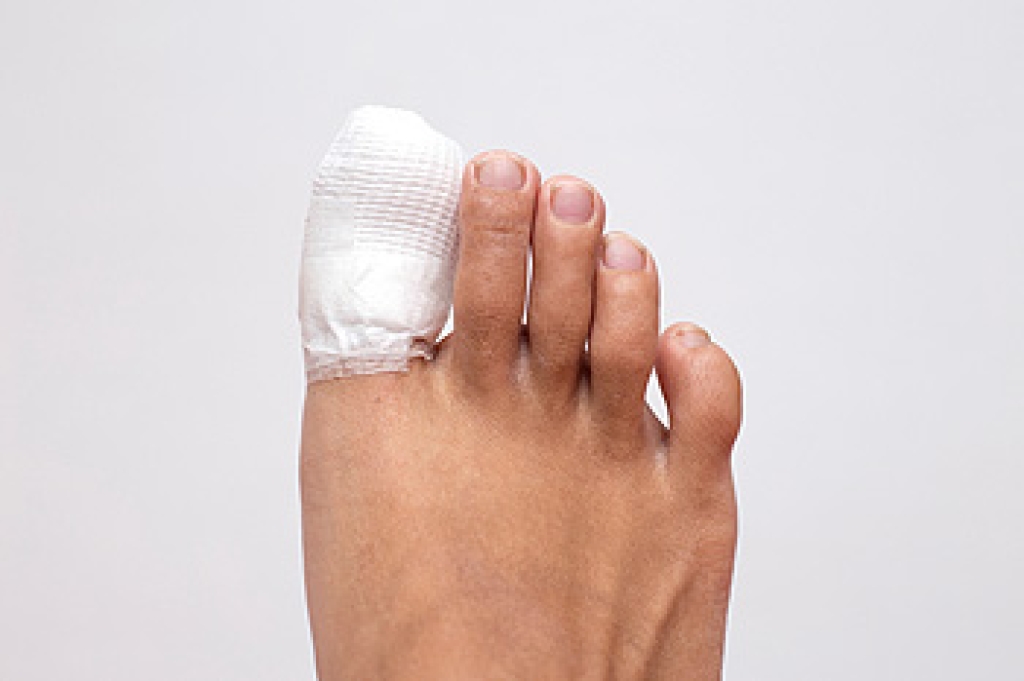
A stubbed toe may seem minor, but the impact can affect bones, joints, nails, and surrounding soft tissue. Common problems include bruising, swelling, nail damage, ligament strain, or a fracture of one of the small toe bones. Pain that worsens with walking, visible deformity, numbness, or persistent swelling may signal a more serious injury. A podiatrist can evaluate the toe with a physical exam and imaging to determine whether a fracture, dislocation, or nail injury is present. Treatment may include immobilization, protective footwear, or taping techniques performed in the office. Nail care or management of inflammation and pain can also be addressed. Early assessment supports safer recovery. If you have pain from stubbing a toe, it is suggested that you make an appointment with a podiatrist for an exam, diagnosis, and treatment.

Toe pain can disrupt your daily activities. If you have any concerns, contact one of our podiatrists of Arch Foot & Ankle. Our doctors can provide the care you need to keep you pain-free and on your feet.

What Causes Toe Pain?

Most severe toe pain is caused due to a sports injury, trauma from dropping something heavy on the toe, or bumping into something rigid. Other problems can develop over time for various reasons.

Toe pain can be caused by one or more ailments. The most common include:

  • Trauma
  • Sports injury
  • Wearing shoes that are too tight
  • Arthritis
  • Gout
  • Corns and calluses
  • Hammertoe
  • Bunions
  • Blisters
  • Ingrown toenails
  • Sprains
  • Fractures (broken bones)
  • Dislocations

When to See a Podiatrist

  • Severe pain
  • Persistent pain that lasts more than a week
  • Signs of infection
  • Continued swelling
  • Pain that prevents walking

Diagnosis

In many cases the cause of toe pain is obvious, but in others, a podiatrist may want to use more advanced methods to determine the problem. These can range from simple visual inspections and sensation tests to X-rays and MRI scans. Prior medical history, family medical history, and any recent physical traumatic events will all be taken into consideration for a proper diagnosis.

Treatment

Treatments for toe pain and injuries vary and may include shoe inserts, padding, taping, medicines, injections, and in some cases, surgery. If you believe that you have broken a toe, please see a podiatrist as soon as possible.

If you have any questions please contact our offices located in Sugar Land, Houston, Bellaire, and Wayside/Harrisburg, TX . We offer the newest diagnostic and treatment technologies for all your foot and ankle needs.
Read more about Toe Pain

Differences Between a Broken Foot and a Sprained Foot

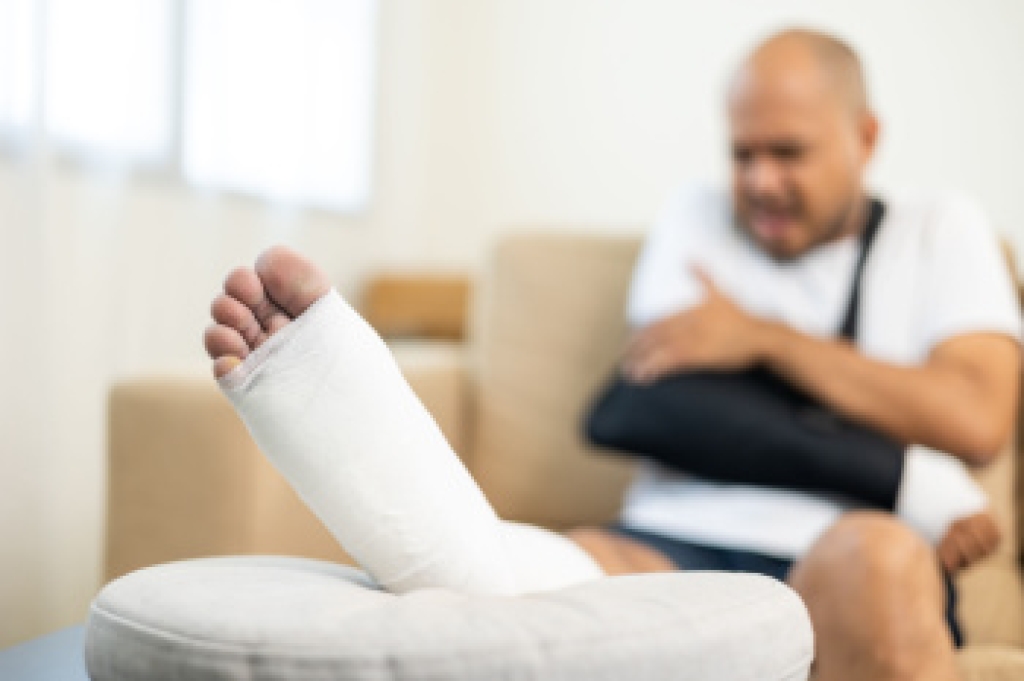
A broken foot involves a crack or complete break in one or more of the bones, usually caused by a fall, a heavy impact, or repetitive stress on the foot. Pain from a fracture is often sharp and constant, and swelling or bruising may appear quickly. In some cases, the foot may look deformed, and putting weight on it can be extremely painful. A sprained foot, however, affects the ligaments that hold the bones together and occurs when the foot twists or turns awkwardly. Sprains often cause tenderness and mild to moderate swelling but without bone displacement. Because both injuries can cause similar discomfort, it is difficult to know which has occurred without proper testing. A podiatrist can evaluate the injury, order imaging studies, and provide the appropriate treatment to promote full recovery. If you have seriously injured your foot, it is suggested that you schedule an appointment with a podiatrist for a diagnosis and appropriate treatment.

A broken foot requires immediate medical attention and treatment. If you need your feet checked, contact one of our podiatrists from Arch Foot & Ankle. Our doctors can provide the care you need to keep you pain-free and on your feet.

Broken Foot Causes, Symptoms, and Treatment

A broken foot is caused by one of the bones in the foot typically breaking when bended, crushed, or stretched beyond its natural capabilities. Usually the location of the fracture indicates how the break occurred, whether it was through an object, fall, or any other type of injury. 

Common Symptoms of Broken Feet:

  • Bruising
  • Pain
  • Redness
  • Swelling
  • Blue in color
  • Numbness
  • Cold
  • Misshapen
  • Cuts
  • Deformities

Those that suspect they have a broken foot shoot seek urgent medical attention where a medical professional could diagnose the severity.

Treatment for broken bones varies depending on the cause, severity and location. Some will require the use of splints, casts or crutches while others could even involve surgery to repair the broken bones. Personal care includes the use of ice and keeping the foot stabilized and elevated.

If you have any questions, please feel free to contact our offices located in Sugar Land, Houston, Bellaire, and Wayside/Harrisburg, TX . We offer the newest diagnostic and treatment technologies for all your foot care needs.

Read more about Causes, Symptoms, and Treatment for a Broken Foot

Essential Facts About Bunions and Foot Health

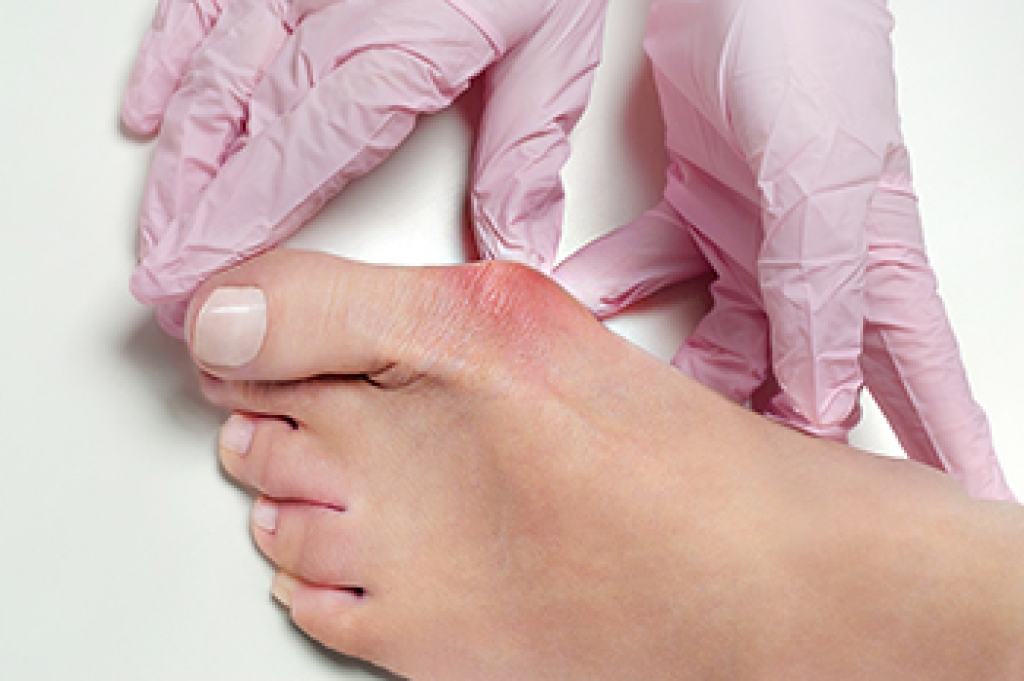
A bunion is a bony bump that forms at the base of the big toe, causing the joint to shift and the toe to angle inward. Genetics can play a significant role in bunion development, as foot structure traits are often inherited. Symptoms may include pain, swelling, redness, and difficulty wearing certain shoes. Ill-fitting footwear that is tight, narrow, or high-heeled can worsen the condition, over time. Risk factors include flat feet, arthritis, and prolonged pressure on the big toe joint. A podiatrist can evaluate the severity of a bunion, recommend proper footwear, provide custom orthotics, and offer medical or surgical treatment options. If you have developed a bunion, it is suggested that you consult a podiatrist who can offer effective relief and management tips.

If you are suffering from bunions, contact one of our podiatrists of Arch Foot & Ankle. Our doctors can provide the care you need to keep you pain-free and on your feet.

What Is a Bunion?

A bunion is formed of swollen tissue or an enlargement of boney growth, usually located at the base joint of the toe that connects to the foot. The swelling occurs due to the bones in the big toe shifting inward, which impacts the other toes of the foot. This causes the area around the base of the big toe to become inflamed and painful.

Why Do Bunions Form?

Genetics – Susceptibility to bunions are often hereditary

Stress on the feet – Poorly fitted and uncomfortable footwear that places stress on feet, such as heels, can worsen existing bunions

How Are Bunions Diagnosed?

Podiatrists often perform two tests – blood tests and x-rays – when trying to diagnose bunions, especially in the early stages of development. Blood tests help determine if the foot pain is being caused by something else, such as arthritis, while x-rays provide a clear picture of your bone structure to your provider.

How Are Bunions Treated?

  • Refrain from wearing heels or similar shoes that cause discomfort
  • Select wider shoes that can provide more comfort and reduce pain
  • Anti-inflammatory and pain management drugs
  • Orthotics or foot inserts
  • Surgery

If you have any questions, please feel free to contact our offices located in Sugar Land, Houston, Bellaire, and Wayside/Harrisburg, TX . We offer the newest diagnostic and treatment technologies for all your foot care needs.

Read more about Bunions

Are You Suffering From Nerve Damage?

Neuropathy is a condition that can lead to numbness or loss of sensation in the feet, but it can also cause pain. This condition is more likely to develop for those who are diabetic, obese, or with high blood pressure.

Smart Fall Prevention Tips for Older Adults

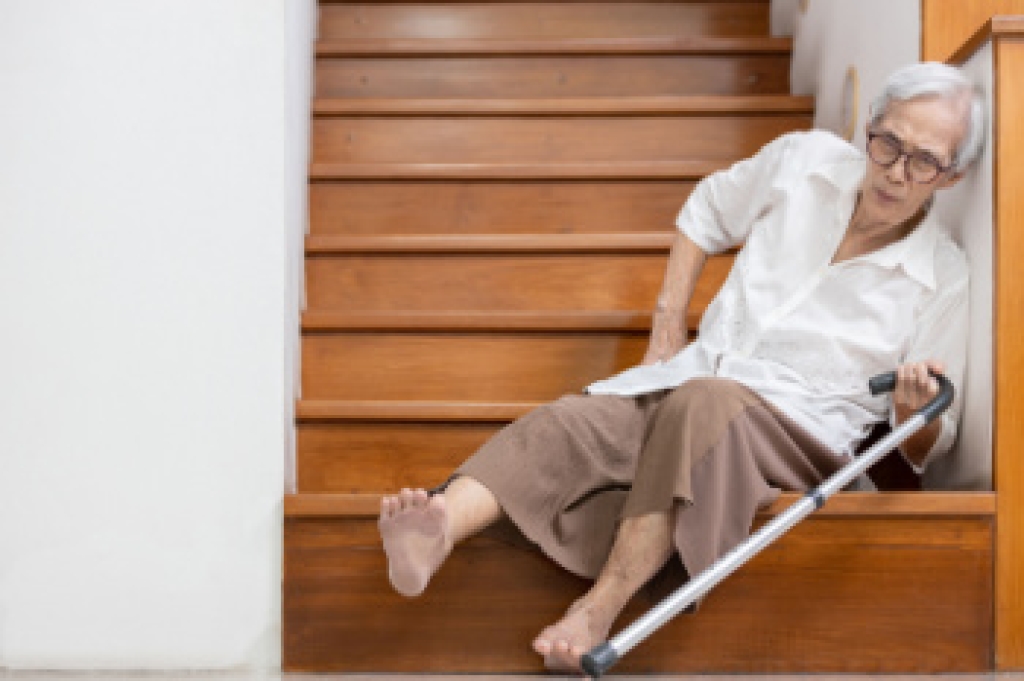
Preventing falls is an essential factor for maintaining independence and safety as people age. Regular eyesight checks help ensure vision problems do not increase the risk of tripping. Keeping floors clear of clutter creates a safer environment, and installing grab bars in bathrooms and near stairs adds extra support where it is needed most. Additionally, wearing shoes that fit well and provide good traction helps improve balance and reduces slipping. A podiatrist can identify foot pain, instability, or structural issues that may affect walking confidence and increase fall risk. If you are experiencing foot problems, it is suggested that you consult a podiatrist who can treat various foot and ankle conditions, and guide you on additional fall prevention tips.

Preventing falls among the elderly is very important. If you are older and have fallen or fear that you are prone to falling, consult with one of our podiatrists from Arch Foot & Ankle. Our doctors will assess your condition and provide you with quality advice and care.

Every 11 seconds, an elderly American is being treated in an emergency room for a fall related injury. Falls are the leading cause of head and hip injuries for those 65 and older. Due to decreases in strength, balance, senses, and lack of awareness, elderly persons are very susceptible to falling. Thankfully, there are a number of things older persons can do to prevent falls.

How to Prevent Falls

Some effective methods that older persons can do to prevent falls include:

  • Enrolling in strength and balance exercise program to increase balance and strength
  • Periodically having your sight and hearing checked
  • Discuss any medications you have with a doctor to see if it increases the risk of falling
  • Clearing the house of falling hazards and installing devices like grab bars and railings
  • Utilizing a walker or cane
  • Wearing shoes that provide good support and cushioning
  • Talking to family members about falling and increasing awareness

Falling can be a traumatic and embarrassing experience for elderly persons; this can make them less willing to leave the house, and less willing to talk to someone about their fears of falling. Doing such things, however, will increase the likelihood of tripping or losing one’s balance. Knowing the causes of falling and how to prevent them is the best way to mitigate the risk of serious injury.  

If you have any questions, please feel free to contact our offices located in Sugar Land, Houston, Bellaire, and Wayside/Harrisburg, TX . We offer the newest diagnostic and treatment technologies for all your foot care needs.

Read more about Falls Prevention
scroll to top