Cuboid Syndrome and Midfoot Pain

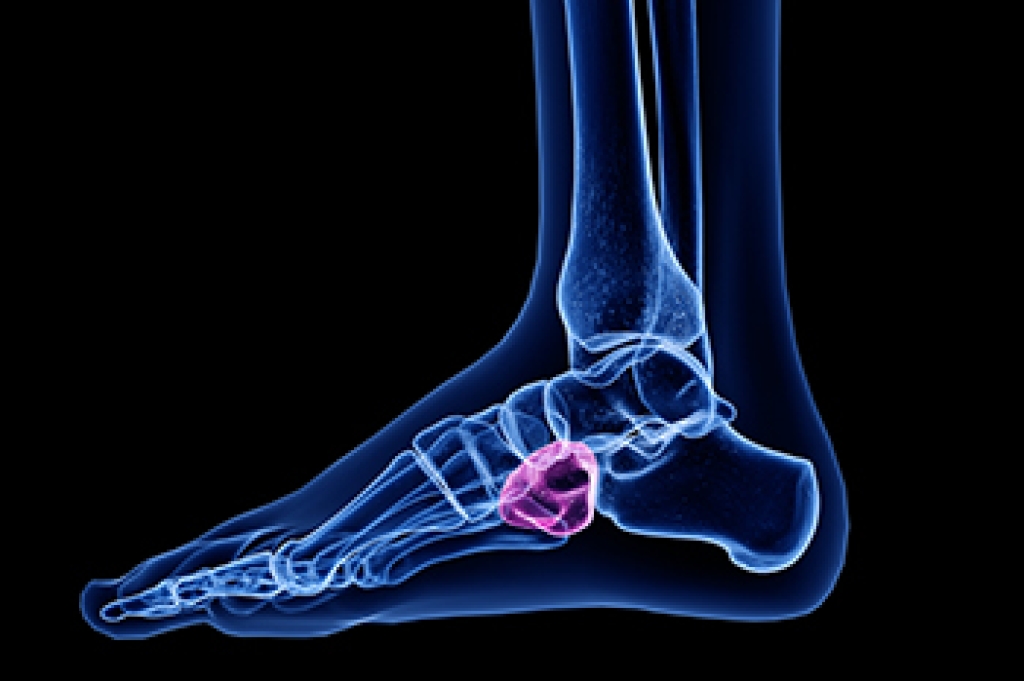
Cuboid syndrome is a source of pain along the outer middle portion of the foot. It is thought to involve a small disruption in the normal position or movement of the cuboid, a bone located on the outside of the midfoot. This change can irritate nearby ligaments, the joint capsule, and a tendon that passes beneath the cuboid. Cuboid syndrome may develop after an ankle sprain or from repeated stress on the foot. It has been reported in both athletic and non-athletic populations, although athletes may be affected more often. Because the symptoms can resemble other foot injuries, cuboid syndrome is sometimes overlooked or misdiagnosed.


Pain is usually felt directly over the cuboid and may spread toward the arch or along the outside of the foot. Some people experience pain while bearing weight, while others may notice discomfort even when the foot is resting. Swelling, redness, and tenderness may also occur. Pain can cause weakness during the push-off portion of walking, making normal movement uncomfortable. Diagnosing cuboid syndrome can be challenging because there is no single test that confirms it. X-rays, CT scans, and MRI scans generally do not show the small joint changes associated with this condition. However, imaging may be useful for ruling out fractures or other foot problems.


A podiatrist can evaluate lateral foot pain by reviewing how the symptoms began and carefully examining the painful area. The evaluation may include checking foot and ankle movement and determining whether certain motions reproduce the symptoms. Treatment may involve professional manipulation of the cuboid to restore normal joint function. Therapeutic exercise, padding, or supportive taping may also be incorporated into a treatment plan. Because several other injuries can cause similar outer-foot pain, an accurate diagnosis is important before treatment begins. If persistent pain or tenderness develops along the outside of your midfoot, it is suggested that you consult a podiatrist for an evaluation and appropriate treatment options.

Cuboid syndrome, also known as cuboid subluxation, occurs when the joints and ligaments near the cuboid bone in the foot become torn. If you have cuboid syndrome, consult with one of our podiatrists from Arch Foot & Ankle. Our doctors will assess your condition and provide you with quality foot and ankle treatment.

Cuboid syndrome is a common cause of lateral foot pain, which is pain on the outside of the foot. The condition may happen suddenly due to an ankle sprain, or it may develop slowly overtime from repetitive tension through the bone and surrounding structures.

Causes

The most common causes of cuboid syndrome include:

  • Injury – The most common cause of this ailment is an ankle sprain.
  • Repetitive Strain – Tension placed through the peroneus longus muscle from repetitive activities such as jumping and running may cause excessive traction on the bone causing it to sublux.
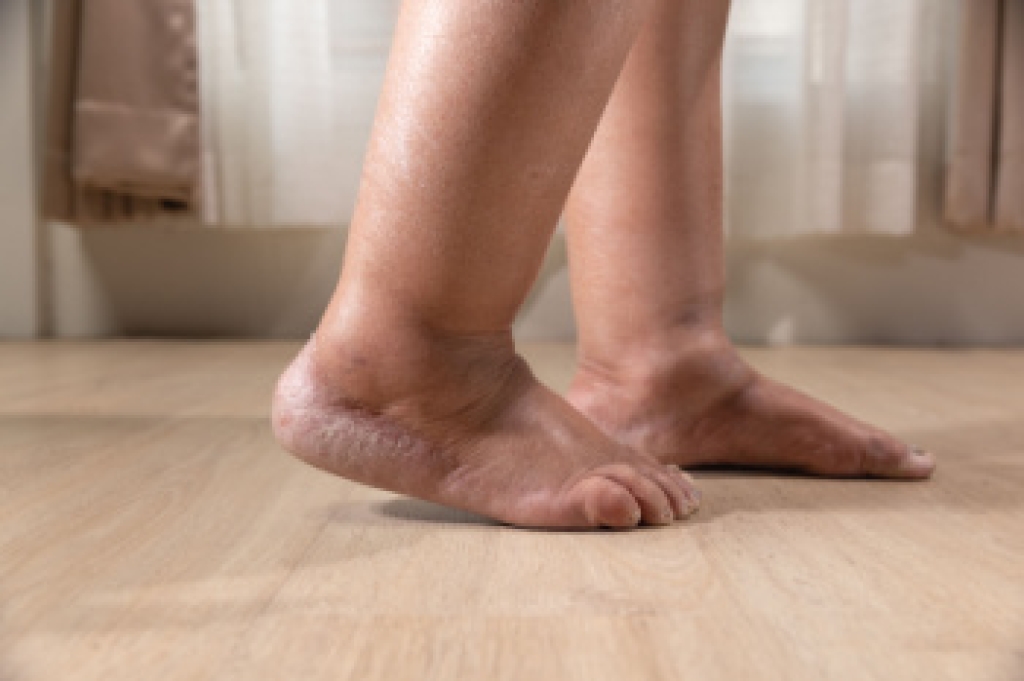
  • Altered Foot Biomechanics – Most people suffering from cuboid subluxation have flat feet.

Symptoms

A common symptom of cuboid syndrome is pain along the outside of the foot which can be felt in the ankle and toes. This pain may create walking difficulties and may cause those with the condition to walk with a limp.

Diagnosis

Diagnosis of cuboid syndrome is often difficult, and it is often misdiagnosed. X-rays, MRIs and CT scans often fail to properly show the cuboid subluxation. Although there isn’t a specific test used to diagnose cuboid syndrome, your podiatrist will usually check if pain is felt while pressing firmly on the cuboid bone of your foot.

Treatment

Just as the range of causes varies widely, so do treatments. Some more common treatments are ice therapy, rest, exercise, taping, and orthotics.

If you have any questions, please feel free to contact our offices located in Sugar Land, Houston, Bellaire, and Wayside/Harrisburg, TX . We offer the newest diagnostic and treatment technologies for all your foot care needs.

Read more about All About Cuboid Syndrome

How a Podiatrist Treats Nighttime Foot Cramps

A sudden tightening in the arch or toes can turn a restful night into a painful awakening. Nighttime foot cramps occur when a muscle contracts without your control and does not relax on its own. The muscle may feel hard, and the toes sometimes curl into a painful position. Episodes usually last seconds to minutes, although soreness sometimes remains afterward. Repeated cramps often interrupt sleep and leave people tired the next day. Unlike restless legs syndrome, which creates an urge to move the legs, a foot cramp involves a distinct, painful muscle contraction. Understanding this difference helps guide an accurate diagnosis.

Several factors contribute to nighttime foot cramps, but many episodes have no clear cause. Muscle fatigue after prolonged standing or increased activity is one possible contributor. Wearing tight shoes or shoes that lack proper support also place extra demands on foot muscles. Pregnancy and aging are associated with more frequent nighttime cramps. Low potassium or magnesium levels sometimes cause muscle cramping, but ordinary nighttime cramps do not automatically signal a mineral deficiency. Certain medicines also contribute to symptoms. A podiatrist reviews these possibilities rather than assuming every patient has the same problem. Nerve disorders and other health conditions require consideration when additional symptoms appear.

A podiatrist begins the evaluation by asking when cramps occur and how long they last. Questions about work demands, exercise habits, and recent health changes help reveal possible triggers. The examination includes checking muscle strength, foot flexibility, and sensation. The podiatrist also evaluates circulation and looks for areas of pressure from shoes. Persistent numbness or weakness suggests that the problem requires further investigation. Blood tests are sometimes appropriate when the history or examination points toward a mineral imbalance or another medical condition. Routine testing is not necessary for every patient. This targeted approach helps distinguish muscle cramps from other causes of nighttime foot pain.

Treatment is based on the findings from the examination. A podiatrist assesses shoe fit and recommends features that reduce pressure on the feet. For patients with specific structural problems, appropriately selected shoe inserts help redistribute pressure and support foot function. The podiatrist also addresses muscle tightness and identifies activity patterns that contribute to fatigue. Side effects from prescription medications also may be a factor. When another condition contributes to cramping, care involves the appropriate healthcare professional. Follow-up visits allow the podiatrist to assess progress and adjust treatment. If you are frequently awakened by foot cramps, it is suggested that you schedule an appointment with a podiatrist for a diagnosis and appropriate treatment.

Foot Pain

Foot pain can be extremely painful and debilitating. If you have a foot pain, consult with one of our podiatrists from Arch Foot & Ankle. Our doctors will assess your condition and provide you with quality foot and ankle treatment.

Causes

Foot pain is a very broad condition that could be caused by one or more ailments. The most common include:

  • Bunions
  • Hammertoes
  • Plantar Fasciitis
  • Bone Spurs
  • Corns
  • Tarsal Tunnel Syndrome
  • Ingrown Toenails
  • Arthritis (such as Gout, Rheumatoid, and Osteoarthritis)
  • Flat Feet
  • Injury (from stress fractures, broken toe, foot, ankle, Achilles tendon ruptures, and sprains)
  • And more

Diagnosis

To figure out the cause of foot pain, podiatrists utilize several different methods. This can range from simple visual inspections and sensation tests to X-rays and MRI scans. Prior medical history, family medical history, and any recent physical traumatic events will all be taken into consideration for a proper diagnosis.

Treatment

Treatment depends upon the cause of the foot pain. Whether it is resting, staying off the foot, or having surgery; podiatrists have a number of treatment options available for foot pain.

If you have any questions, please feel free to contact our offices located in Sugar Land, Houston, Bellaire, and Wayside/Harrisburg, TX . We offer the newest diagnostic and treatment technologies for all your foot care needs.

Read more about Foot Pain

Swollen Feet May Signal Health Issues

Swollen feet can develop after a long day of standing or walking, but swelling that persists may need medical attention. The buildup of fluid in body tissues is called edema. Gravity can pull blood toward the lower legs, allowing fluid to enter the feet and ankles. Pregnancy and medicines can also cause swelling. In other cases, swollen feet can point to an injury, infection, or problem with blood flow. Heart, kidney, and liver conditions can also affect how the body handles fluid. Identifying the cause is important because treatment depends on the cause of the swelling.

The location and timing of swelling can offer clues. Swelling after an injury can occur with a sprain, fracture, or tendon problem. Redness, warmth, and tenderness can signal an infection. Sudden swelling in one leg can be linked to a blood clot in a deep vein and requires prompt medical attention. Seek emergency care when swelling occurs with chest pain, trouble breathing, or faintness. Severe swelling in pregnancy also needs prompt evaluation. Other warning signs include skin discoloration, an open wound, or an indentation that remains after pressing the area. Swelling that lasts several days or keeps returning should not be ignored.

A podiatrist can examine the feet to learn whether the problem begins in bones, joints, or soft tissues. The evaluation includes questions about when swelling started and whether one or both feet are affected. The podiatrist can check the skin, circulation, and affected areas. Treatment is based on the cause and can include protecting an injury, managing an infection, or reducing pressure on a painful area. Orthotics or wearing properly-fitted shoes can improve support when foot structure contributes to discomfort. If you have discomfort from swollen feet or ankles, it is suggested that you schedule an appointment with a podiatrist to identify the cause and get effective relief.

Swollen feet can be a sign of an underlying condition. If you have any concerns, contact one of our podiatrists of Arch Foot & Ankle. Our doctors can provide the care you need to keep you pain-free and on your feet.

Swollen feet are a common ailment among pregnant women and people who stand or sit for extended periods. Aging may increase the possibility of swollen feet and patients who are obese often notice when their feet are swelling too. There may be medical reasons why swollen feet occur:

  • Phlebitis - A condition that causes the veins to become inflamed and can also cause leg pain.
  • Liver disease - This may lead to low blood levels of albumin which is a protein. This can cause fluid in the blood to pass into the tissues and several areas of the body can become swollen.
  • Heart failure - When the heart doesn’t pump properly the blood that is normally pumped back to the heart can pool in the veins of the legs causing swollen feet.
  • Kidney disease - One of the main functions of the kidneys is releasing excess fluid in the body. This type of condition can make it difficult for the kidneys to function properly, and as a result the feet may become swollen.
  • Deep-vein thrombosis (DVT)- This is a serious condition where blood clots form in the veins of the legs. They can block the return of blood from the legs to the heart which may cause the feet to swell. It is important to be treated by a podiatrist if this condition is present.

Swollen feet can also be caused by bone and tendon conditions, including fractures, arthritis, and tendinitis. Additionally, there may be skin and toenail conditions and an infection may cause the feet to swell. Patients who take medicine to treat high blood pressure may be prone to getting swollen feet. 

Many patients elevate their feet to help relieve the swelling and this is generally a temporary remedy. When a podiatrist is consulted the reason behind the swelling can be uncovered and subsequently treated.

If you have any questions please contact our offices located in Sugar Land, Houston, Bellaire, and Wayside/Harrisburg, TX . We offer the newest diagnostic and treatment technologies for all your foot and ankle needs.

Read more about Swelling of the Feet

It's Time for Beautiful Feet

You don't need an excuse to have beautiful nails. Step outside without worrying about the appearance of your feet.

Causes of Ball-of-Foot-Pain From Running

Ball-of-foot-pain while running is a common complaint that can make this activity uncomfortable. One frequent cause is metatarsalgia. This a condition involving irritation and inflammation around the long bones of the feet, called metatarsals. Pain may feel sharp, aching, or like there is a pebble inside your shoe. Symptoms can become stronger during running, walking, or standing for long periods. Some runners also notice tenderness, numbness, or discomfort when pushing off.

Several factors can contribute to metatarsalgia and running-related foot pain. Intense training can repeatedly stress the forefoot before tissues have enough time to recover. A sudden increase in mileage, speed, or frequency can also increase pressure. Foot structure matters because high arches, flat feet, and certain toe positions can change how weight moves across the foot. Excess weight may add further stress to the metatarsals. Poorly fitting shoes, worn cushioning, or hard running surfaces increase irritation.


Risk factors include high-impact sports, rapid training changes, and shoes that lack adequate support. Arthritis and foot deformities also affect pressure distribution. A podiatrist will examine your feet, watch your walking or running pattern, and check for tenderness or swelling. Imaging tests may be recommended when a stress fracture needs to be ruled out. Treatment may include activity changes, supportive footwear, or custom orthotics. Padding can also help reduce pressure while the foot heals.


Returning to running too quickly can prolong symptoms, so gradual recovery is important. A podiatrist identifies the underlying cause and creates a treatment plan based on your foot structure, and activity level. If ball-of-foot-pain is interfering with running, it is suggested that you consult a podiatrist for an accurate diagnosis and appropriate treatment, enabling you to return to this popular activity.

Foot Pain

Foot pain can be extremely painful and debilitating. If you have a foot pain, consult with one of our podiatrists from Arch Foot & Ankle. Our doctors will assess your condition and provide you with quality foot and ankle treatment.

Causes

Foot pain is a very broad condition that could be caused by one or more ailments. The most common include:

  • Bunions
  • Hammertoes
  • Plantar Fasciitis
  • Bone Spurs
  • Corns
  • Tarsal Tunnel Syndrome
  • Ingrown Toenails
  • Arthritis (such as Gout, Rheumatoid, and Osteoarthritis)
  • Flat Feet
  • Injury (from stress fractures, broken toe, foot, ankle, Achilles tendon ruptures, and sprains)
  • And more

Diagnosis

To figure out the cause of foot pain, podiatrists utilize several different methods. This can range from simple visual inspections and sensation tests to X-rays and MRI scans. Prior medical history, family medical history, and any recent physical traumatic events will all be taken into consideration for a proper diagnosis.

Treatment

Treatment depends upon the cause of the foot pain. Whether it is resting, staying off the foot, or having surgery; podiatrists have a number of treatment options available for foot pain.

If you have any questions, please feel free to contact our offices located in Sugar Land, Houston, Bellaire, and Wayside/Harrisburg, TX . We offer the newest diagnostic and treatment technologies for all your foot care needs.

Read more about Foot Pain

Types of Toenail Fungus

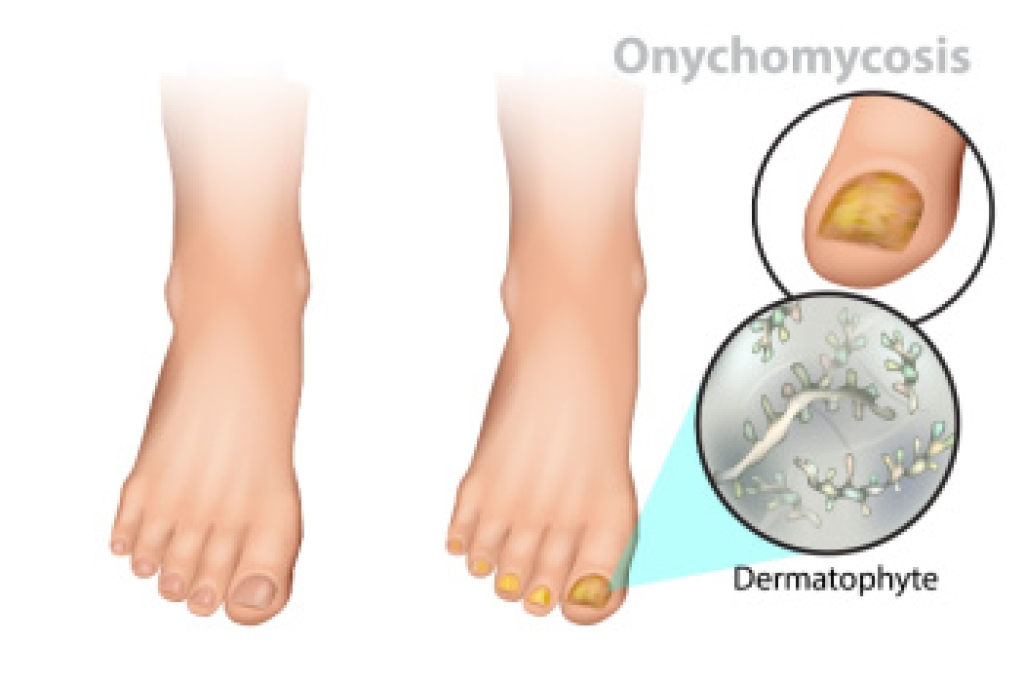
Toenail fungus, also known as mycosis nail fungus or onychomycosis, is a fungal infection that develops in or beneath a toenail. It can begin gradually, making early changes easy to miss. Common symptoms include yellow, white, or brown discoloration, along with nails that become thick, brittle, or separated from the nail bed. Although toenail fungus is usually not dangerous, prompt care can help prevent the infection from becoming more difficult to treat.

There are several types of toenail fungus. Distal subungual infection is the most common and typically begins beneath the nail tip before spreading deeper. White superficial infection affects the nail surface and may cause chalky white patches. Additionally, proximal subungual infection begins near the nail base and gradually moves outward. These infections can develop after exposure to fungi in warm, damp environments. Walking barefoot in shared showers, using contaminated nail-care tools, and wearing sweaty footwear can increase exposure. Risk factors include diabetes, poor circulation, and a weakened immune system. 

A podiatrist will examine the affected nail and look for other conditions that may cause similar changes. When needed, a small nail sample can be tested to confirm a fungal infection. Treatment depends on the type and severity of the infection. A podiatrist may recommend prescription topical antifungal medication or oral antifungal medicine. The nail may also be carefully trimmed or thinned to improve medication contact. Keeping feet clean and dry, changing socks regularly, and choosing breathable footwear can support treatment and help reduce recurrence.

Toenail fungus can be unsightly and uncomfortable. If you notice changes in toenail color, thickness, or texture, it is suggested that you consult a podiatrist for effective treatment solutions.

If left untreated, toenail fungus may spread to other toenails, skin, or even fingernails. If you suspect you have toenail fungus it is important to seek treatment right away. For more information about treatment, contact one of our podiatrists of Arch Foot & Ankle. Our doctors can provide the care you need to keep you pain-free and on your feet.

Symptoms

  • Warped or oddly shaped nails
  • Yellowish nails
  • Loose/separated nail
  • Buildup of bits and pieces of nail fragments under the nail
  • Brittle, broken, thickened nail

Treatment

If self-care strategies and over-the-counter medications does not help your fungus, your podiatrist may give you a prescription drug instead. Even if you find relief from your toenail fungus symptoms, you may experience a repeat infection in the future.

Prevention

In order to prevent getting toenail fungus in the future, you should always make sure to wash your feet with soap and water. After washing, it is important to dry your feet thoroughly especially in between the toes. When trimming your toenails, be sure to trim straight across instead of in a rounded shape. It is crucial not to cover up discolored nails with nail polish because that will prevent your nail from being able to “breathe”.

In some cases, surgical procedure may be needed to remove the toenail fungus. Consult with your podiatrist about the best treatment options for your case of toenail fungus.  

If you have any questions please contact our offices located in Sugar Land, Houston, Bellaire, and Wayside/Harrisburg, TX . We offer the newest diagnostic and treatment technologies for all your foot and ankle needs.

Read more about How to Treat Your Toenail Fungus

Diabetic Foot Blisters and What They Look Like

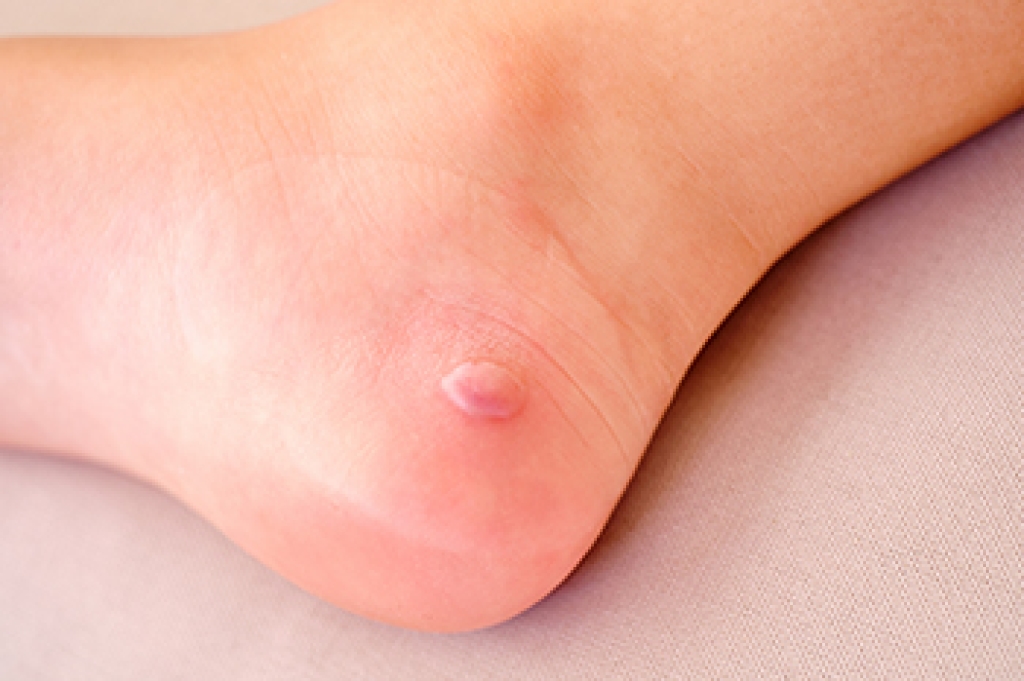
Diabetic foot blisters are fluid-filled areas that develop when skin is damaged by friction, pressure, or irritation. Diabetes can make these injuries more concerning because nerve damage may reduce sensation. A diabetic patient may not notice rubbing until the skin becomes damaged. A blister often looks like a raised bubble containing clear fluid. The surrounding skin may appear red or irritated. A small blister deserves attention because broken skin can become vulnerable to infection.

Symptoms may include a raised bubble, tenderness, or warmth. An open blister can cause drainage and leave raw skin underneath. Common risk factors include diabetic neuropathy, reduced circulation, and repeated pressure. Long periods of walking can increase friction. Previous diabetic foot wounds may also increase concern. Checking your feet every day can help you notice blisters before they become larger or more difficult to heal.


A podiatrist will examine the blister and check circulation, sensation, and possible pressure points. An intact blister may be protected with a suitable dressing while pressure is reduced. If the blister has opened, the podiatrist may carefully clean the area, remove unhealthy tissue when appropriate, and apply wound protection. Footwear may be adjusted to reduce friction. Follow-up visits can help confirm healing and identify the cause of repeated skin irritation.


Do not pop or cut a diabetic foot blister yourself. Damaged skin can create an opening for bacteria and increase infection risk. Keep the area clean and protected while arranging professional evaluation. Watch for worsening redness, warmth, or delayed healing. These changes require prompt medical attention. Good diabetic foot care includes daily inspection and properly fitted shoes. If you have diabetes and have developed a foot blister, it is suggested that you are under the care of a podiatrist who can help you to manage this serious condition. 

Blisters may appear as a single bubble or in a cluster. They can cause a lot of pain and may be filled with pus, blood, or watery serum. If your feet are hurting, contact one of our podiatrists of Arch Foot & Ankle. Our doctors can provide the care you need to keep you pain-free and on your feet.

Foot Blisters

Foot blisters are often the result of friction. This happens due to the constant rubbing from shoes, which can lead to pain.

What Are Foot Blisters?

A foot blister is a small fluid-filled pocket that forms on the upper-most layer of the skin. Blisters are filled with clear fluid and can lead to blood drainage or pus if the area becomes infected.

Symptoms

(Blister symptoms may vary depending on what is causing them)

  • Bubble of skin filled with fluid
  • Redness
  • Moderate to severe pain
  • Itching

Prevention & Treatment

In order to prevent blisters, you should be sure to wear comfortable shoes with socks that cushion your feet and absorb sweat. Breaking a blister open may increase your chances of developing an infection. However, if your blister breaks, you should wash the area with soap and water immediately and then apply a bandage to the affected area. If your blisters cause severe pain it is important that you call your podiatrist right away.

If you have any questions, please feel free to contact our offices located in Sugar Land, Houston, Bellaire, and Wayside/Harrisburg, TX . We offer the newest diagnostic and treatment technologies for all your foot care needs.
Read more about Blisters

Reasons for Pain in the Ball of the Foot

Pain in the ball of the foot affects the area beneath the toes and may make walking uncomfortable. This discomfort may develop after a foot injury, repeated pressure, or changes in foot structure. A common cause is pain in the ball of the foot, which involves irritation around the metatarsal bones. Another possible cause is Morton’s neuroma, a thickened nerve between the toes that can create burning pain or a pebble-like sensation inside the shoe. Symptoms may include tenderness, tingling, or pain that worsens while standing or walking.

Several risk factors can increase the chance of developing ball of foot pain. Physically active people may place repeated stress on the forefoot when running or jumping. High heels and narrow shoes can also increase pressure. Other risks include foot deformities, high arches, and excess body weight. A sudden increase in exercise or an untreated foot injury can contribute to symptoms.


A podiatrist begins by discussing your symptoms, activities, and any recent injury. A careful foot examination can identify tenderness, nerve irritation, or alignment problems. X-rays may be recommended when a bone problem or structural concern is suspected. Treatment may include activity changes, wearing supportive footwear, or medication when appropriate. For Morton’s neuroma, targeted injections or other treatments may be considered. The goal is to reduce pressure and treat the cause.


You do not have to ignore pain in the ball of your foot and hope it disappears. Early evaluation can help prevent ongoing irritation and improve everyday comfort. A podiatrist can create a treatment plan based on your symptoms and the condition causing them. If pain continues, becomes severe, or affects how you walk, podiatric care is important. If you have pain in the ball of your foot, it is suggested that you consult a podiatrist for an accurate diagnosis and appropriate treatment.

Foot Pain

Foot pain can be extremely painful and debilitating. If you have a foot pain, consult with one of our podiatrists from Arch Foot & Ankle. Our doctors will assess your condition and provide you with quality foot and ankle treatment.

Causes

Foot pain is a very broad condition that could be caused by one or more ailments. The most common include:

  • Bunions
  • Hammertoes
  • Plantar Fasciitis
  • Bone Spurs
  • Corns
  • Tarsal Tunnel Syndrome
  • Ingrown Toenails
  • Arthritis (such as Gout, Rheumatoid, and Osteoarthritis)
  • Flat Feet
  • Injury (from stress fractures, broken toe, foot, ankle, Achilles tendon ruptures, and sprains)
  • And more

Diagnosis

To figure out the cause of foot pain, podiatrists utilize several different methods. This can range from simple visual inspections and sensation tests to X-rays and MRI scans. Prior medical history, family medical history, and any recent physical traumatic events will all be taken into consideration for a proper diagnosis.

Treatment

Treatment depends upon the cause of the foot pain. Whether it is resting, staying off the foot, or having surgery; podiatrists have a number of treatment options available for foot pain.

If you have any questions, please feel free to contact our offices located in Sugar Land, Houston, Bellaire, and Wayside/Harrisburg, TX . We offer the newest diagnostic and treatment technologies for all your foot care needs.
Read more about Foot Pain

Stop Your Toenail Fungus

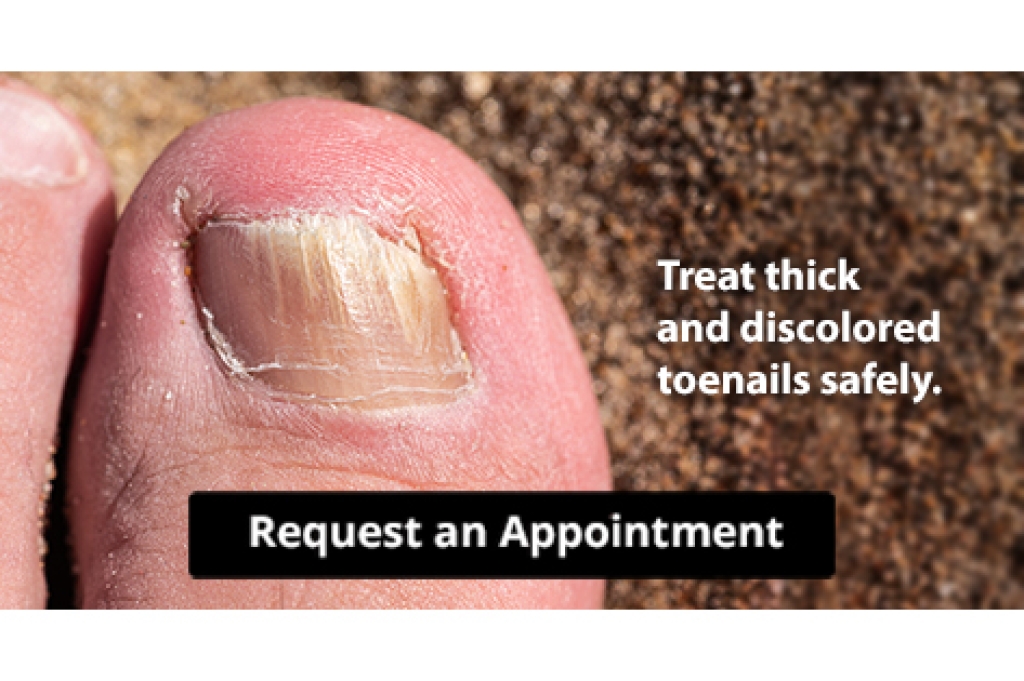
Have you noticed discoloration of your toenails? Have they become thickened or brittle? If so, you may be experiencing symptoms of a fungal nail infection. For some, having a fungal nail can be embarrassing. Overcome your embarrassment, and get treated.

Benefits of Nordic Walking

Nordic walking is a form of exercise that uses specially designed poles while walking, similar to cross-country skiing without snow. This activity offers several benefits for the feet and ankles. By using poles, body weight is partly supported through the arms, which can reduce pressure on the feet during movement. Lowering pressure may help limit strain on the arches, heel, and forefoot, especially during long walks. Nordic walking can also encourage a smoother walking pattern, known as gait. Improved gait may reduce stress on joints and soft tissues, like tendons and ligaments. The poles can increase stability and balance, helping to lower the risk of trips or falls that may lead to foot or other injuries. A podiatrist can evaluate foot structure, assess walking mechanics, and recommend proper footwear or orthotics for safe participation. If you have foot pain after walking, it is suggested that you make an appointment with a podiatrist for an exam, diagnosis, and treatment.

Exercising your feet regularly with the proper foot wear is a great way to prevent injuries and build strength. If you have any concerns about your feet, contact one of our podiatrists from Arch Foot & Ankle. Our doctors can provide the care you need to keep you pain-free and on your feet.

Exercise for Your Feet

Exercise for your feet can help you gain strength, mobility and flexibility in your feet. They say that strengthening your feet can be just as rewarding as strengthening another part of the body. Your feet are very important, and we often forget about them in our daily tasks. But it is because of our feet that are we able to get going and do what we need to. For those of us fortunate enough to not have any foot problems, it is an important gesture to take care of them to ensure good health in the long run.

Some foot health exercises can include ankle pumps, tip-toeing, toe rises, lifting off the floor doing reps and sets, and flexing the toes. It is best to speak with Our doctors to determine an appropriate regimen for your needs. Everyone’s needs and bodies are different, and the activities required to maintain strength in the feet vary from individual to individual. 

Once you get into a routine of doing regular exercise, you may notice a difference in your feet and how strong they may become.

If you have any questions, please feel free to contact our offices located in Sugar Land, Houston, Bellaire, and Wayside/Harrisburg, TX . We offer the newest diagnostic and treatment technologies for all your foot care needs.

Read more about Exercise for Your Feet
Advanced Podiatric Procedures & Services in the Fort Bend County, TX: Sugar Land, Missouri City, Stafford, Richmond, Rosenberg, Fresno, Harris County, TX:Houston, Bellaire, West University Place, Southside Place, Jacinto City, Galena Park, Pasadena, Deer Park, South Houston, Humble, Katy, Brazoria County, TX:Pearland, Alvin, Manvel, Montgomery County, TX:The Woodlands, Shenandoah, Conroe areas
Book Online